
Last updated November 24, 2026
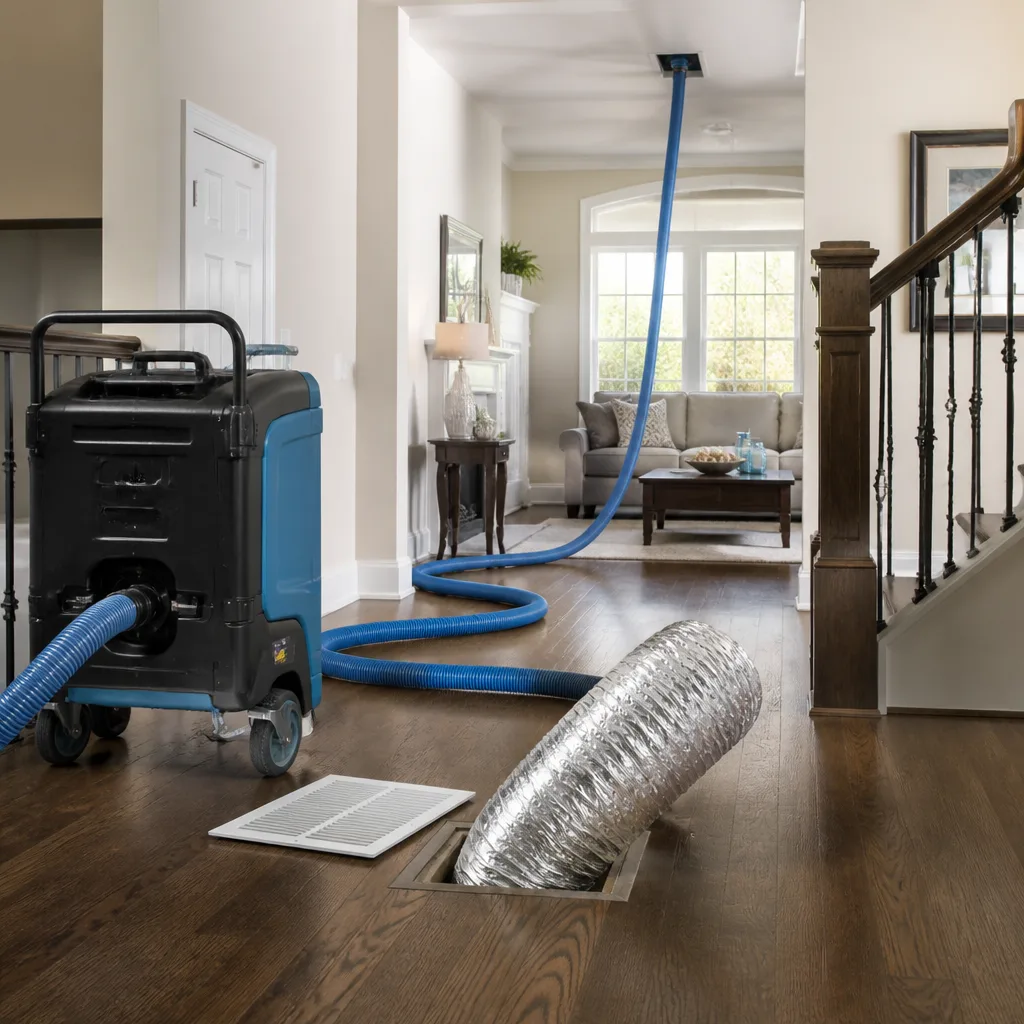 Whole-home duct cleaning
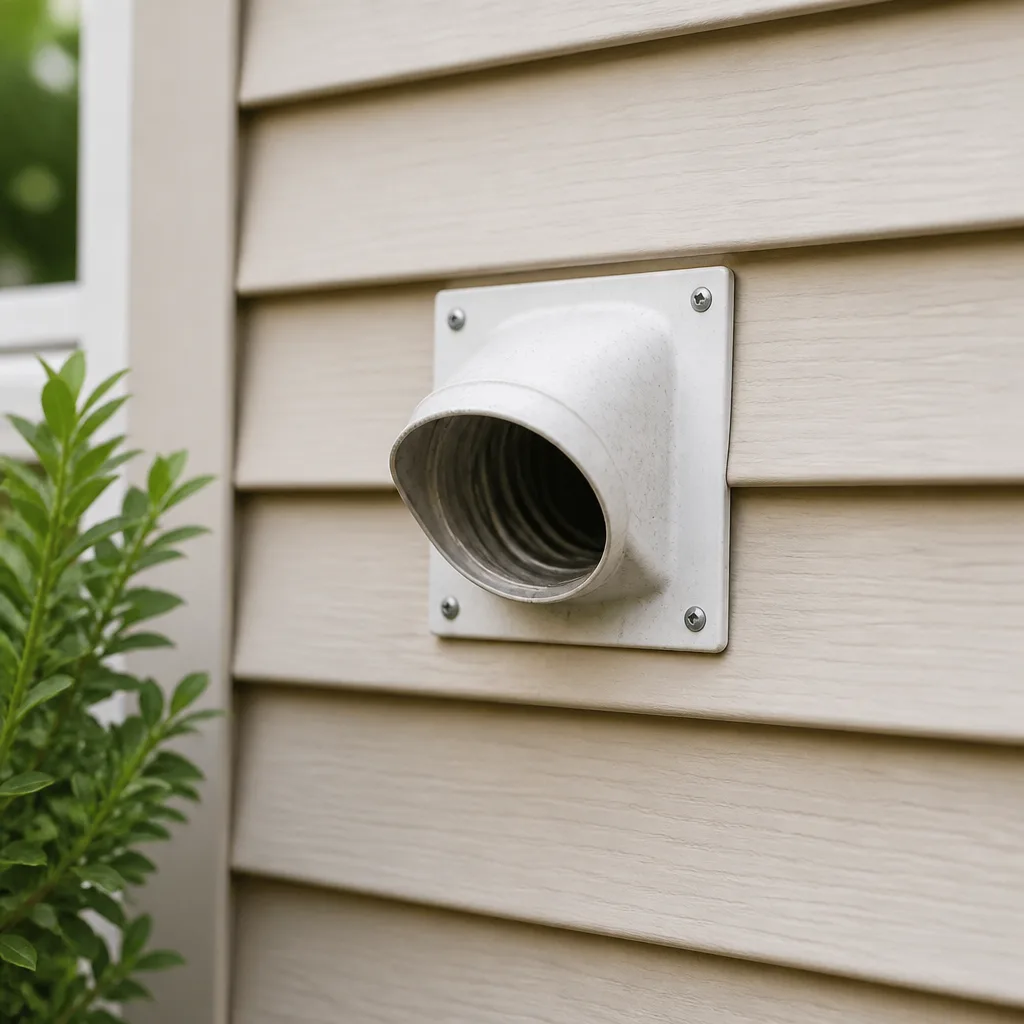 Dryer vent cleaning
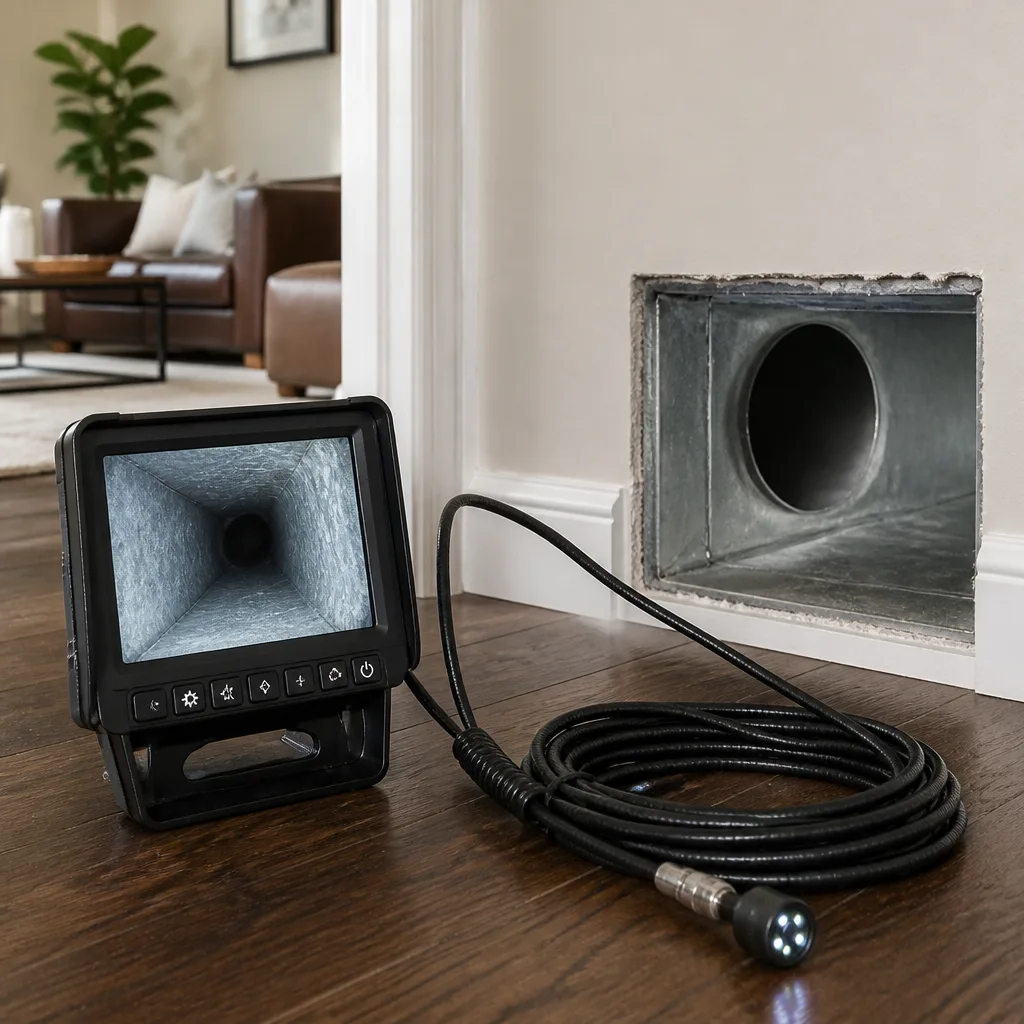 Camera inspection
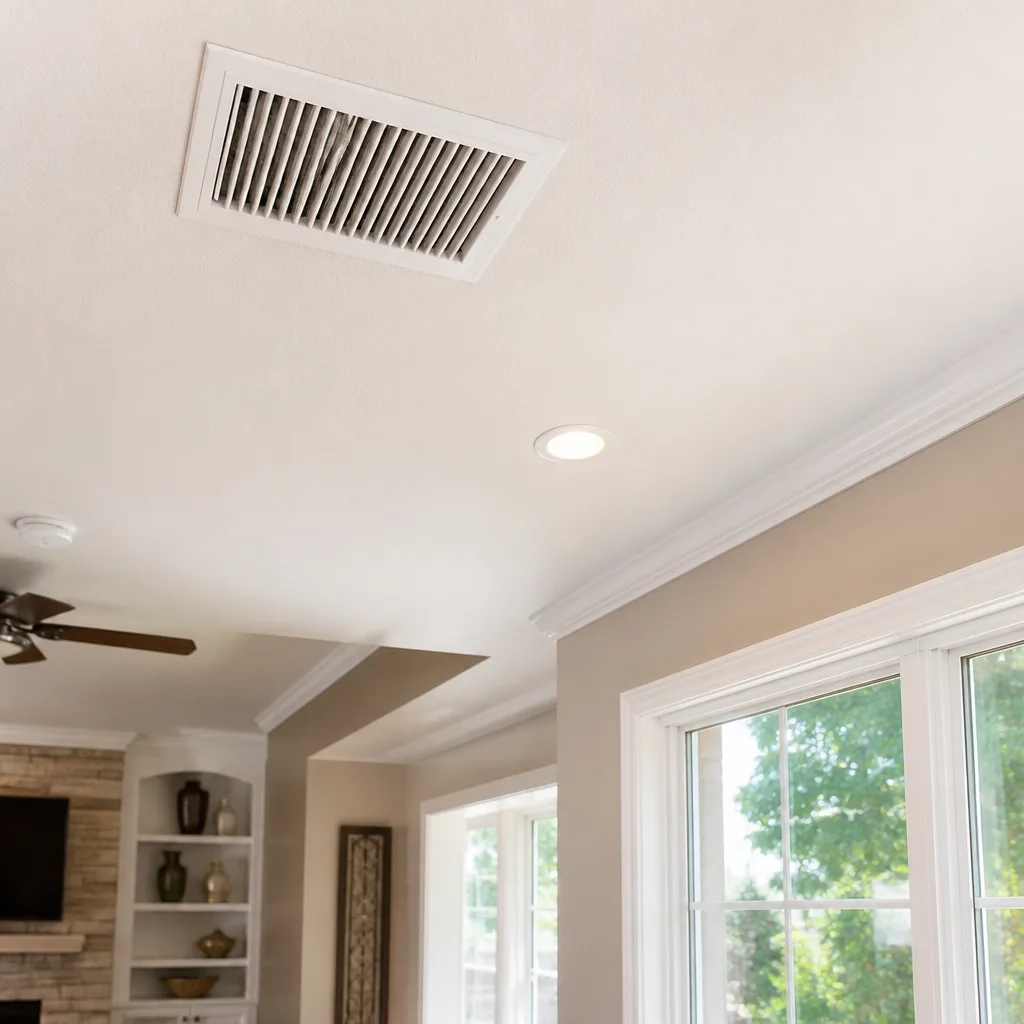 Sanitizing & deodorizing
Whole-system duct and dryer vent check with before-and-after photos - you see exactly what came out of your vents
That "$99 whole-house special" is a bait ad - the real number appears once they are in your hallway, or the "clean" is a shop-vac at the register. We photograph the inside of your ducts before and after instead.
Choosing the Right Air Duct Cleaning Brand: A Buyer’s Guide for Ballantyne
Most homeowners in Ballantyne choose an air duct cleaning company the same way they choose a restaurant: a quick look at star ratings, a scan of the price, and a call. Almost none ask what equipment the crew will actually put inside their ductwork. That’s the wrong order of questions. In this trade, “brand” matters less as a company name and more as the equipment that shows up at your door. A contractor with a shop vacuum and a brush is not running the same job as a crew with a truck-mounted negative air machine and a rotary agitation system. This guide shows you how to tell the difference, what to ask before you book, and how to read the answers you get.
Quick Answer
The right air duct cleaning brand is the one that uses professional-grade extraction equipment (Rotobrush, Nikro, or Abatement Technologies systems), creates verified negative pressure in your ductwork, agitates debris from the walls rather than just vacuuming the surface, and can show you before-and-after photos from inside your ducts. Price and reviews matter, but equipment tier is the single strongest predictor of whether the job actually removes contamination or just disturbs it.
Styles & brands we work with
- Whole-home duct cleaning
- Dryer vent cleaning
- Camera inspection
- Sanitizing & deodorizing
Table of Contents
- What “Brand” Really Means in Air Duct Cleaning
- The Three Tiers of Duct Cleaning Equipment
- How to Verify an Equipment Claim Before They Arrive
- Franchise Brand vs. Independent Specialist
- What NADCA Certification Actually Commits a Company To
- Six Questions That Reveal Equipment and Process Quality
- Why the Full System Matters: Ducts, HVAC, Dryer Vent, and Air Quality
- What’s Different About Ductwork in Ballantyne Homes
What “Brand” Really Means in Air Duct Cleaning
When you buy a car, the badge on the hood tells you something about the engineering underneath. When you hire an air duct cleaning company, the badge on the truck tells you almost nothing. What matters is the brand of the machinery inside the truck. This is the part of the buying decision most Ballantyne homeowners never get to, because the conversation stays on price and reviews.
The equipment is what separates a cleaning from a disturbance. Debris inside ductwork clings to the walls, settles into joints, and coats the interior of flex runs. Suction alone lifts what’s loose on the surface, but it doesn’t break the bond between contamination and the duct wall. Professional equipment does two things at once: it agitates that bond with a rotary brush or compressed air whip, and it captures the loosened material in a negative-pressure envelope so it never re-enters your living space. That’s the core of every legitimate cleaning. A system without both halves is doing a surface sweep and calling it a cleaning.
In Ballantyne, where many homes have longer duct runs and mixed flex-and-metal systems, the difference shows up quickly. A crew with the right equipment can explain what they found inside a run and why. A crew without it tends to describe the job in general terms and move on. That’s the tell.
The Three Tiers of Duct Cleaning Equipment
Not all duct cleaning rigs are created equal. In practice, we see equipment fall into three rough tiers. Most homeowners encounter only the third tier, because that’s what shows up when the price looks low on the quote.
Tier 1: Professional Rotary and Negative Air Systems
These are the systems used by restoration contractors, industrial facilities, and dedicated air quality specialists. Rotobrush systems are the most recognized name in the residential tier, combining a rotary brush head with a high-CFM vacuum. Nikro builds extraction and containment equipment used in restoration work, where the bar on contaminant capture is high. Abatement Technologies specializes in negative air machines and HEPA filtration units built for containment in environments where you cannot afford to let debris escape. When a contractor uses these brands, they’re demonstrating that the cleaning will be done with equipment designed for verified capture, not convenience.
Tier 2: Mid-Grade Portable Systems
Portable vacuums with HEPA filtration and decent CFM ratings fall in the middle. They can do a solid job on shorter runs and lighter contamination, but they struggle with the agitation side. Without a rotary brush or compressed air whip, the tech has to rely on hand tools, which means longer jobs and less thorough results on flex duct and on long returns.
Tier 3: Consumer and Shop-Grade Vacuums
This is the tier that shows up in the low-priced quote. A shop vacuum with a brush attachment is not a duct cleaning system. It creates no meaningful negative pressure across the system, it lifts almost nothing bonded to the duct walls, and it captures very little of what it loosens. The work looks real, the crew spends an hour or two, and the ducts end up disturbed rather than cleaned. That’s the risk behind the teaser coupon price.
None of this requires you to become an equipment expert. It requires you to know that three tiers exist and to ask which one is coming to your home.
How to Verify an Equipment Claim Before They Arrive
Anyone can claim to use professional equipment. The verification conversation is short, and it’s the most useful five minutes of your buying decision. Here’s how we suggest running it:
- Ask for the make of the negative air machine. A credible answer names the brand – Rotobrush, Nikro, Abatement Technologies, or a comparable professional name – and describes the unit in a few sentences. A deflection like “we use the best” or “a commercial-grade system” tells you the answer is scripted.
- Ask for the CFM rating. CFM (cubic feet per minute) is the airflow the machine moves. A crew that uses professional equipment knows the number offhand because it’s the spec they compete on. A crew that uses a shop vac doesn’t know it, because it isn’t one.
- Ask about the agitation method for flex duct. Flex duct is the most common duct material in residential construction and the most easily damaged by the wrong tool. The answer you want is a brush or air whip sized for flex, not a metal-bristle brush forced through it. A vague answer here is a bigger warning sign than a vague answer anywhere else.
- Ask whether they use HEPA filtration on the vacuum exhaust. The whole point of cleaning is removing contamination from your system, not redistributing it through the return air.
- Ask whether they use before-and-after photos from inside the duct. If the job is being done properly, the crew expects to show you the difference. If it isn’t, they’d rather you didn’t see inside.
What a credible answer sounds like: specific, calm, unscripted. What a deflection sounds like: back to price, back to discounts, back to “you don’t need to worry about that.”
Franchise Brand vs. Independent Specialist
Franchise duct cleaning brands have a real advantage: a standardized process, a corporate training program, and consistent national marketing. But the local execution is entirely in the hands of a franchise owner you’ve never met, and the training standard at the operational level varies widely from market to market. Two franchises under the same logo can run very different jobs in two different cities.
Independent specialists, by contrast, usually carry less brand recognition but often more direct accountability. The owner who runs the local operation is the same person buying the equipment, and the scope of each job is set by them rather than dictated by a national menu. In our experience, specialists who invest in professional equipment (Rotobrush, Nikro, Abatement Technologies) tend to be the same people who will also seal a leak they discover, because they’re set up to finish the job rather than hand it off.
Neither model is inherently better. The point is to look past the logo to the equipment and the scope of service. A franchise running professional-grade gear is a strong choice. An independent running professional-grade gear is a strong choice. A company running consumer tools deserves a second look regardless of the name on the truck.
If you want to see how a full-system specialist structures the work, the air duct cleaning page lays out the process from supply vents to the air handler.
What NADCA Certification Actually Commits a Company To
The National Air Duct Cleaners Association (NADCA) publishes the assessment, cleaning, and restoration standard that most of the industry measures itself against. When a company claims NADCA certification, they’re saying they follow that process standard: source removal (not just fogging products into the system), verified negative pressure, agitation of the full interior surface, and containment of removed debris.
The catch is that “NADCA-certified” gets thrown around loosely. The way to verify is straightforward: search the company’s name on the NADCA member directory. If they’re listed and current, the certification is real. If they aren’t, the claim is at best stale and at worst invented. A company that can’t be located on the directory isn’t necessarily bad, but it means you’re relying on other verification – equipment names, process questions, before-and-after photos – rather than a directory badge.
Being NADCA-current is one of the strongest equipment-agnostic signals you can check, because it’s independently verifiable in a couple of minutes from your phone. If you’re the type of homeowner who reads reviews carefully, this is worth just as much time.
Six Questions That Reveal Equipment and Process Quality
You don’t need to be a technician to evaluate a technician. These six questions surface the things that matter without requiring you to learn the trade overnight:
- “How do you create negative pressure in the system during cleaning?” The right answer describes a sealed vacuum connection at a single point (usually the main trunk or air handler) that keeps the whole duct system under negative pressure while the tech agitates the run he’s working on. A vague answer means it isn’t happening.
- “What is your agitation method for flex duct?” The right answer names a rotary brush, air whip, or hand tool sized for the duct’s interior and bristle type. Wrong answers include “we use the vacuum” (there is no agitation) or “a wire brush” (too aggressive for flex).
- “Will you show me before-and-after photos from inside the duct?” Yes, always. A no here is a dealbreaker.
- “Do you seal leaks you find while you’re in there?” A full-system specialist can repair and seal. A cleaning-only outfit hands you a list and drives away.
- “What’s your CFM rating on the main vacuum?” Specific number or it’s a deflection. This is the cleanest filter question available.
- “If you find mold or microbial growth, what’s your next step?” The right answer references a sanitizing stage with professional-grade products and, where relevant, a containment protocol. The wrong answer is “we’ll just spray something.”
Ask them in writing (email or text) before booking. The answers reveal more than a phone call, because they require the company to type them out.
Why the Full System Matters: Ducts, HVAC, Dryer Vent, and Air Quality
A duct cleaning that only addresses supply vents is a partial job. Your forced-air system is a single loop: return ducts draw air in, the air handler blows it through the coil, and supply ducts deliver it into rooms. Contamination in any part of that loop re-contaminates the rest. That’s why a full-system specialist works from the vent cover to the air handler rather than stopping at the vent covers.
In practice, a full-system job covers five categories:
- Air duct cleaning – supply and return runs, including trunk lines and flex branches.
- HVAC cleaning – the air handler, blower, coil, and plenum, where debris settles out of the airstream. Our HVAC cleaning page covers what that work involves.
- Dryer vent cleaning – a dedicated service line here, not an add-on, because lint accumulation in the vent run is a leading cause of residential fires. See dryer vent cleaning for the full process.
- Air quality and sanitizing – application of professional-grade sanitizing products and, where relevant, filtration upgrades using Honeywell and Aprilaire components.
- Duct repair and sealing – fixing leaks, reconnecting dislodged joints, and sealing the system so the air you just cleaned stays that way.
When a company offers only one of these, you’ll eventually be on the phone with a second contractor for the rest. When all five are handled together, the air pathway is clean, sealed, and sanitized as a single outcome.
What’s Different About Ductwork in Ballantyne Homes
Ballantyne’s housing stock spans custom builds, established neighborhoods, and newer construction, and each shape of home comes with its own ductwork pattern. Larger homes often have longer trunk runs with multiple flex branches, which means more surface area for debris to accumulate and more joints for leaks to develop. Homes that have undergone renovation – a common scenario here – frequently pick up drywall dust and construction debris in the return side that a light cleaning won’t touch.
The climate plays a role too. Long cooling seasons mean the system runs hard for most of the year, and the air handler and coil see more hours of operation than they would in a shorter summer. When a coil stays damp for months, microbial growth is more likely, which is why sanitizing is a named service line rather than an upsell. Ballantyne’s seasonal pollen cycles also push more particulate into return grilles, particularly in neighborhoods near the tree-lined corridors on the south side of the community.
None of this is unique to Ballantyne. But it does mean a homeowner here should expect a crew that can read the specific duct layout in the house, not one that runs a generic script. Before booking, ask whether the technician will walk the full system with you. If the answer is “we’ll see when we get there,” ask what happens after.
For a fuller picture of how air duct cleaning fits into the broader home maintenance picture in Ballantyne, the main Air Duct Cleaning Ballantyne page outlines what a typical job involves.
Common Mistakes to Avoid
- Choosing on price and reviews alone. Two companies with the same star rating can be running completely different equipment. One delivers a verified cleaning; the other disturbs dust and leaves. The price looks similar at the start and diverges sharply by the end.
- Not asking about equipment before booking. If you don’t ask what’s coming into your home, you won’t know until it arrives. A five-minute question before booking saves a two-hour regret afterward.
- Accepting a teaser coupon price without a written scope. The coupon price frequently becomes a much larger invoice once the technician is on site and finds “extra work.” Ask for a flat price per system, agreed in writing before work starts.
- Assuming a franchise logo equals a standard job. Franchise process standards are only as good as the local operator executing them. Verify the local equipment and scope, not the national logo.
- Hiring a company that only cleans ducts. If the company can’t seal a leak or clean the air handler, you’ll need a second contractor to finish the job and possibly a third to clean up after the first.
- Skipping the dryer vent. It’s a separate system from the HVAC ducts and a separate fire risk. A full-service company addresses it as part of the same visit; a duct-only company often doesn’t.
- Not asking for before-and-after photos. These are the simplest accountability tool available. A company that takes them is a company that expects to be judged on the result.
See the difference
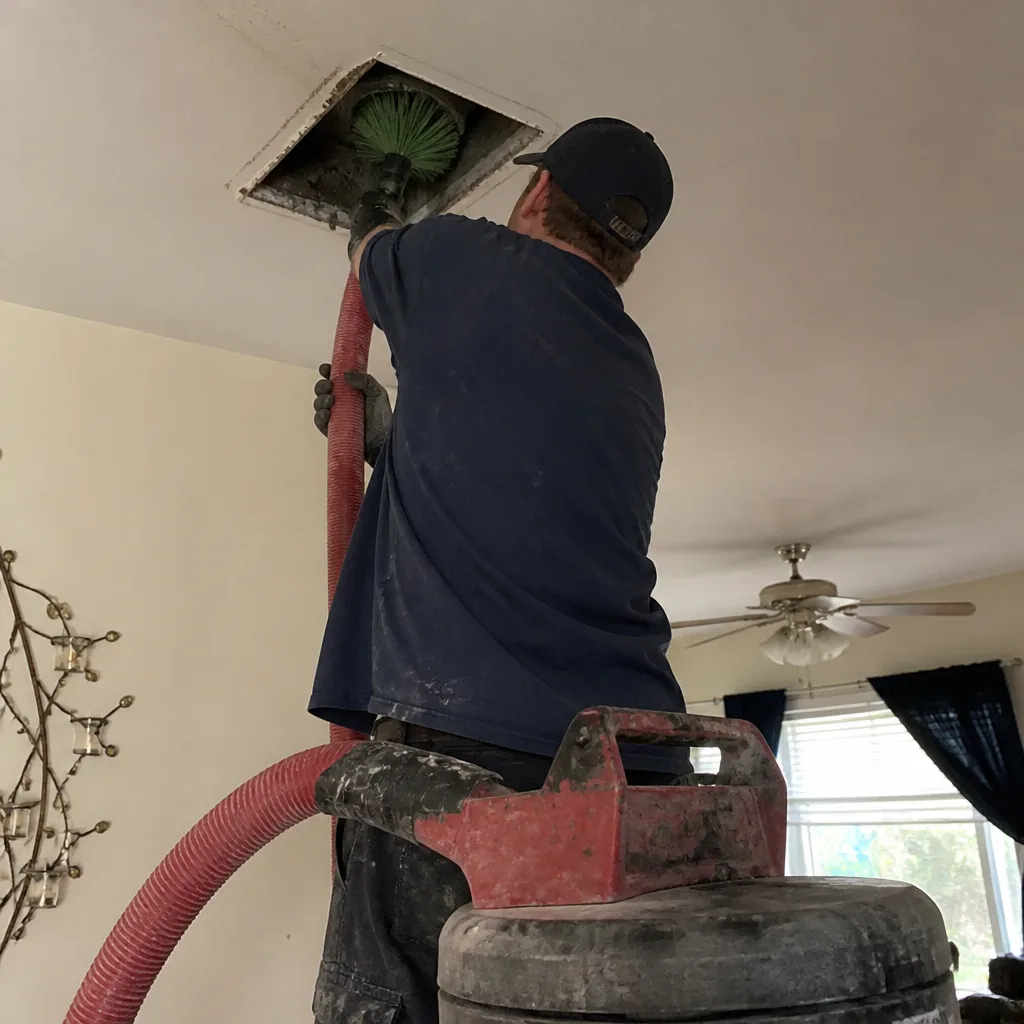 Before
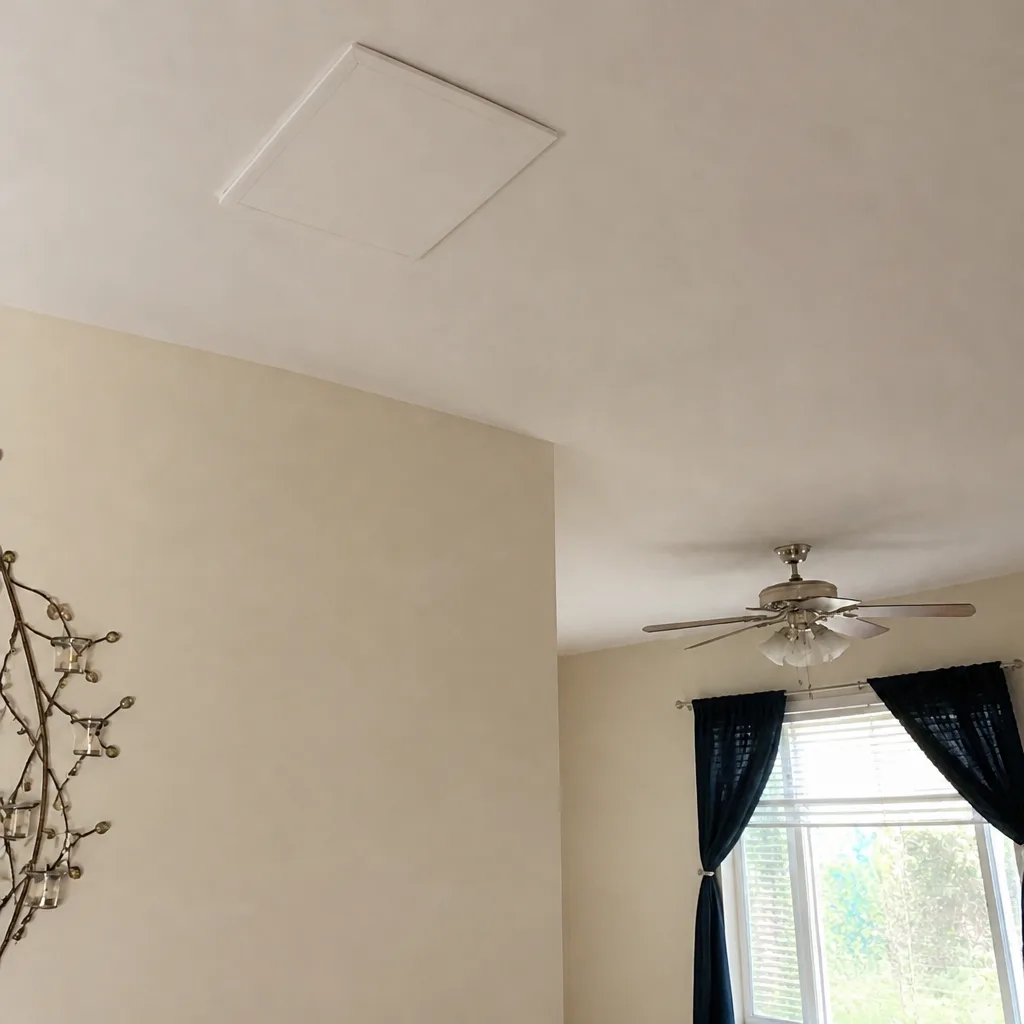 After
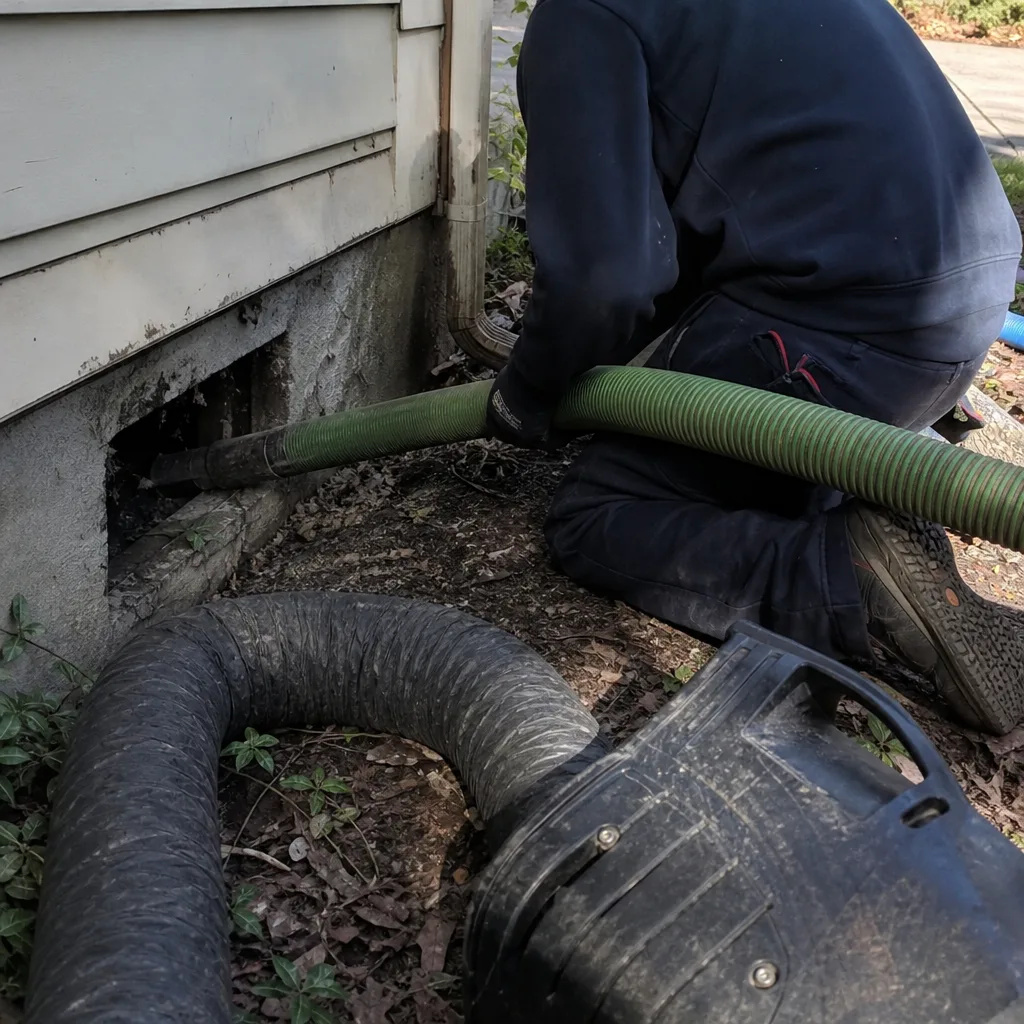 Before
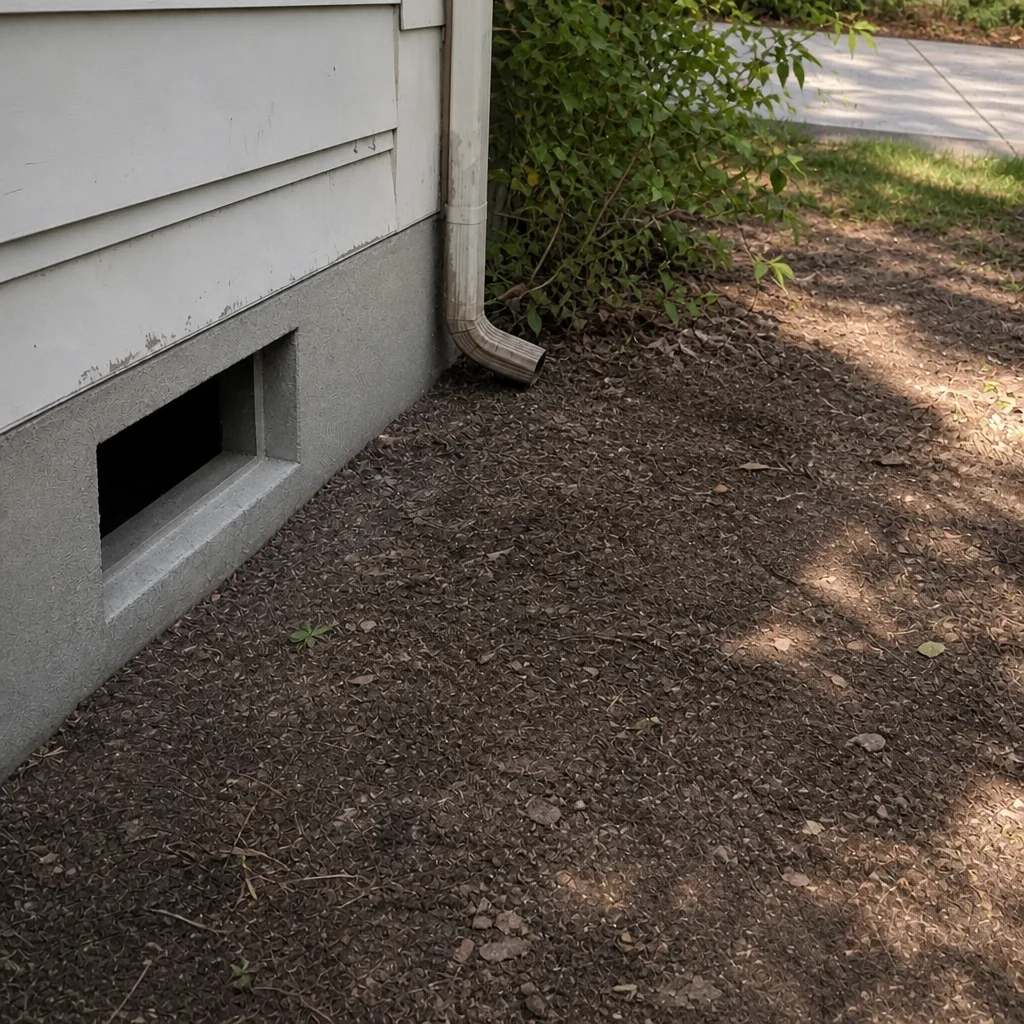 After
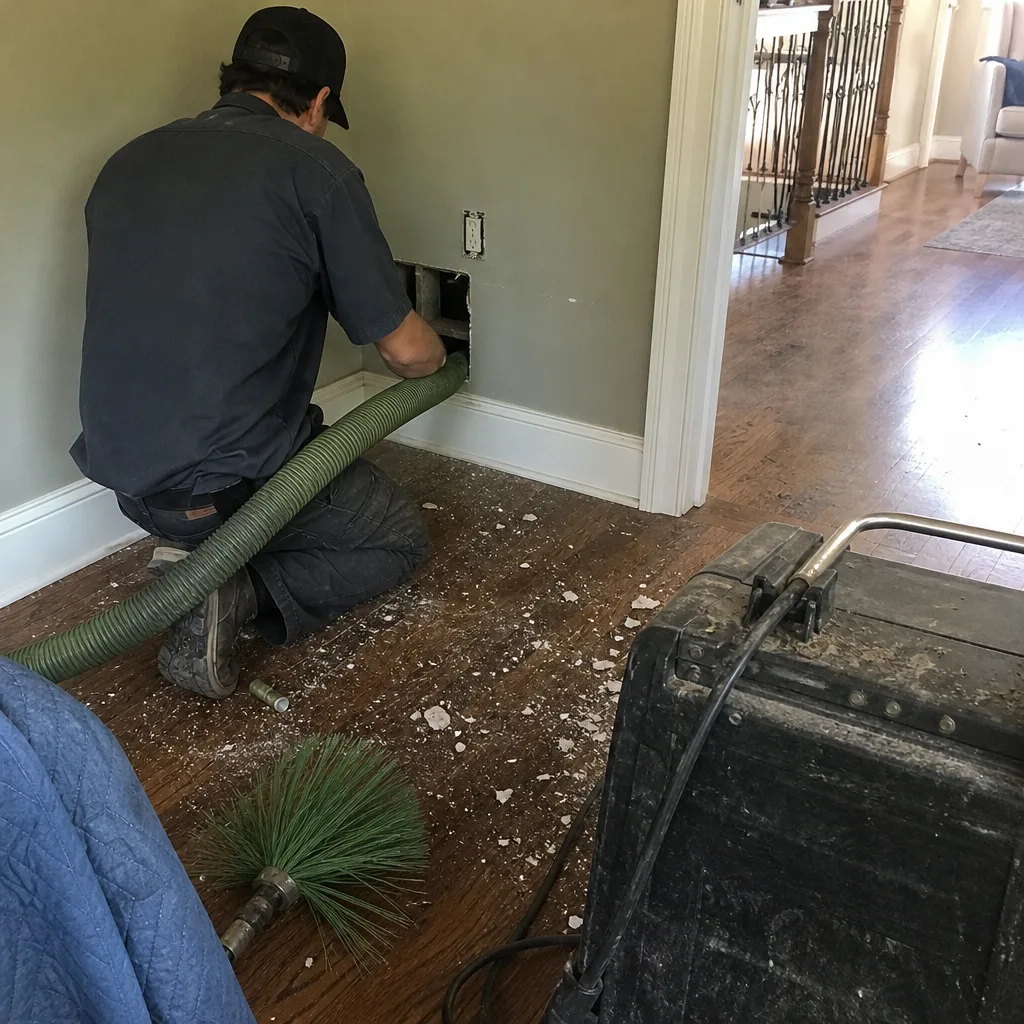 Before
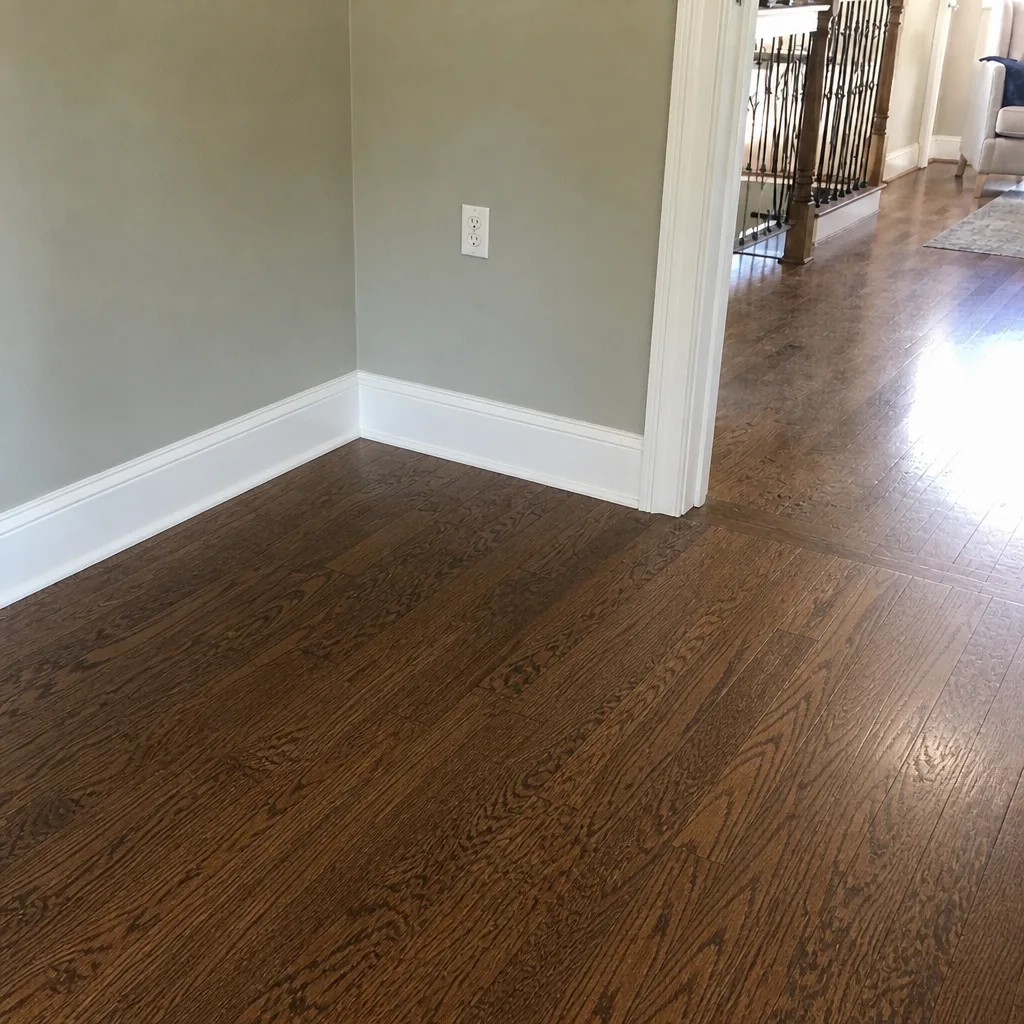 After
When to Call a Professional
Not every home needs air duct cleaning on a schedule. But several scenarios do call for a professional assessment, and in Ballantyne, these are the ones we hear most often: a recent renovation that left drywall dust in the returns, allergy or asthma symptoms that seem tied to the HVAC system, a musty smell when the air handler kicks on, visible dust trails around return grilles, or a home you’ve just moved into where the previous owner’s maintenance history is unknown. In each case, the right first step is a professional assessment rather than a coupon-driven cleaning. Air Duct Cleaning Ballantyne offers free estimates in Ballantyne – call (855) 726-7841 to schedule one. We answer 24/7. Fast dispatch from 7am to 7pm, Sunday through Friday.
Frequently Asked Questions
Choose a company that uses professional-grade equipment (Rotobrush, Nikro, or Abatement Technologies systems), creates verified negative pressure across the full duct system, and can show you before-and-after photos from inside your ducts. Price matters, but equipment tier and scope of service matter more. Call (855) 726-7841 for a free estimate and we’ll walk you through exactly what the job involves.
Rotobrush systems combine rotary brush agitation with high-CFM vacuum extraction in a single tool designed for residential ductwork, while a regular shop vacuum provides suction only and no rotary brush. The vacuum alone cannot break the bond between contamination and the duct wall, so it lifts surface dust without cleaning the run. If a company can’t name the equipment they’re using, that’s a sign the equipment isn’t professional-grade.
Yes, because NADCA certification commits a company to a published process standard covering source removal, negative pressure, and containment, and it’s independently verifiable on the NADCA member directory. A company that claims certification but isn’t listed on the directory is worth a follow-up question. The certification is one of the few verified equipment-agnostic signals available to a homeowner.
Pricing is set per job by written estimate rather than by a per-vent coupon, because the scope varies by system size, duct type, and contamination level. The figure you should trust is the flat price per system agreed before work starts. Call (855) 726-7841 for a free estimate – the written quote sets the final price, and estimates are free.
Cheaper quotes usually mean consumer or shop-grade vacuums instead of professional rotary systems, no meaningful negative pressure, and no agitation of the duct interior. The job looks similar in the first fifteen minutes and diverges completely in what actually comes out of the ducts. The lowest quote is often the job that ends up needing to be redone.
Ask for before-and-after photos from inside the duct, taken during the job. A crew using professional equipment expects to be judged on the result and will show it without hesitation. Call (855) 726-7841 for a free estimate and we’ll explain exactly how the job is documented from start to finish.
The Bottom Line
Choosing the right air duct cleaning brand in Ballantyne means looking past the logo and asking about the equipment. Professional-grade systems like Rotobrush, Nikro, and Abatement Technologies are the difference between a real cleaning and a surface disturbance. Verify equipment claims before booking, ask about agitation and negative pressure, check NADCA status independently, and hold the company to before-and-after proof. A full-system specialist handles ducts, HVAC, dryer vent, air quality, and repair under one roof so the job ends clean, sealed, and sanitized. Our technicians have up to 8 years of experience and we work with the equipment brands that meet that standard. Call (855) 726-7841 for a free estimate in Ballantyne. We answer 24/7. Fast dispatch from 7am to 7pm, Sunday through Friday.
Written by the team at Air Duct Cleaning Ballantyne.