
Last updated November 24, 2026
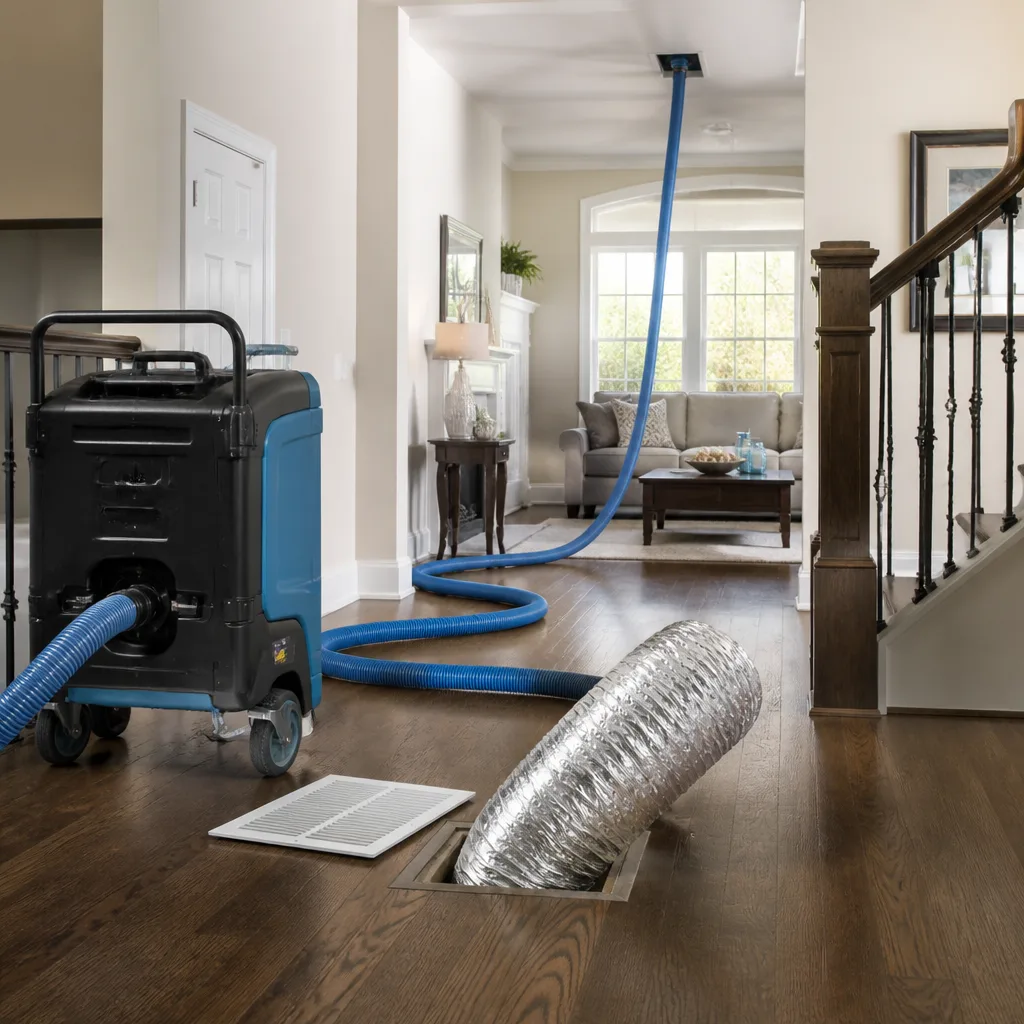 Whole-home duct cleaning
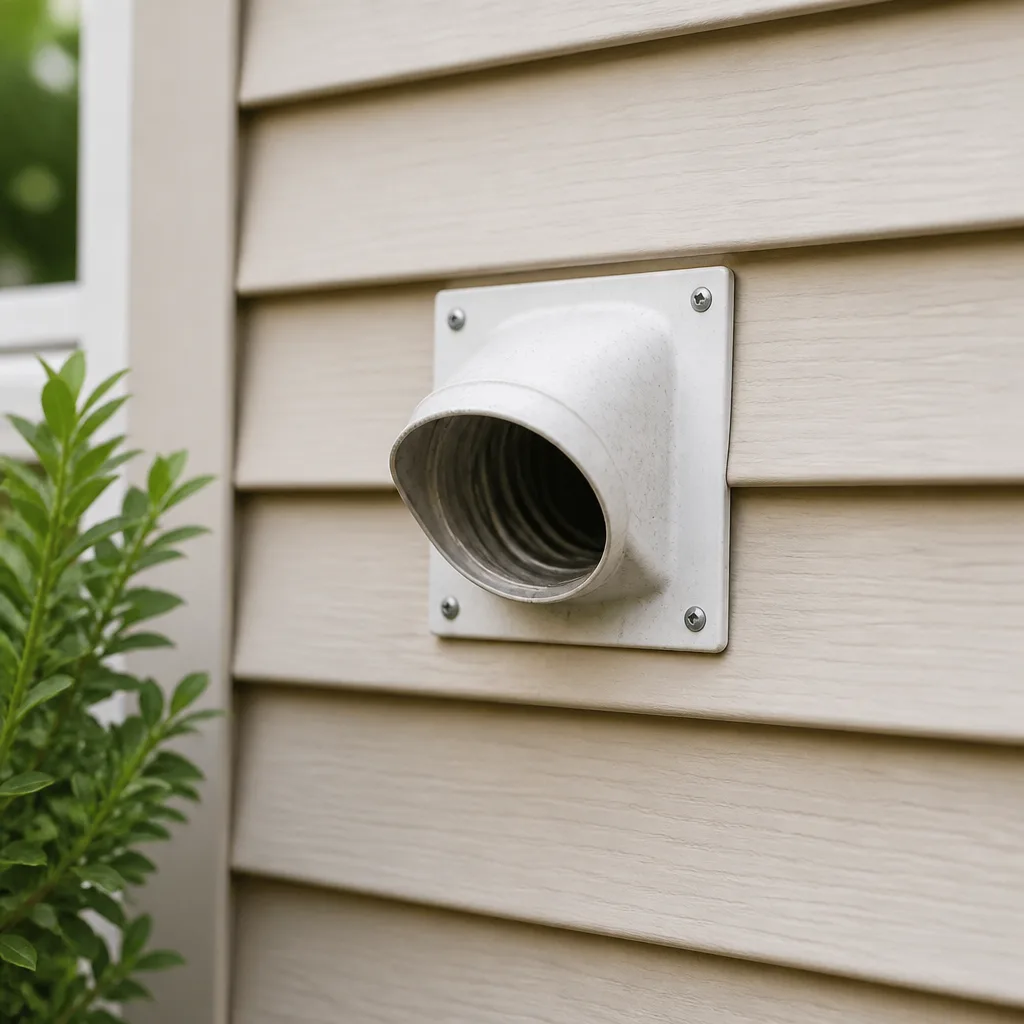 Dryer vent cleaning
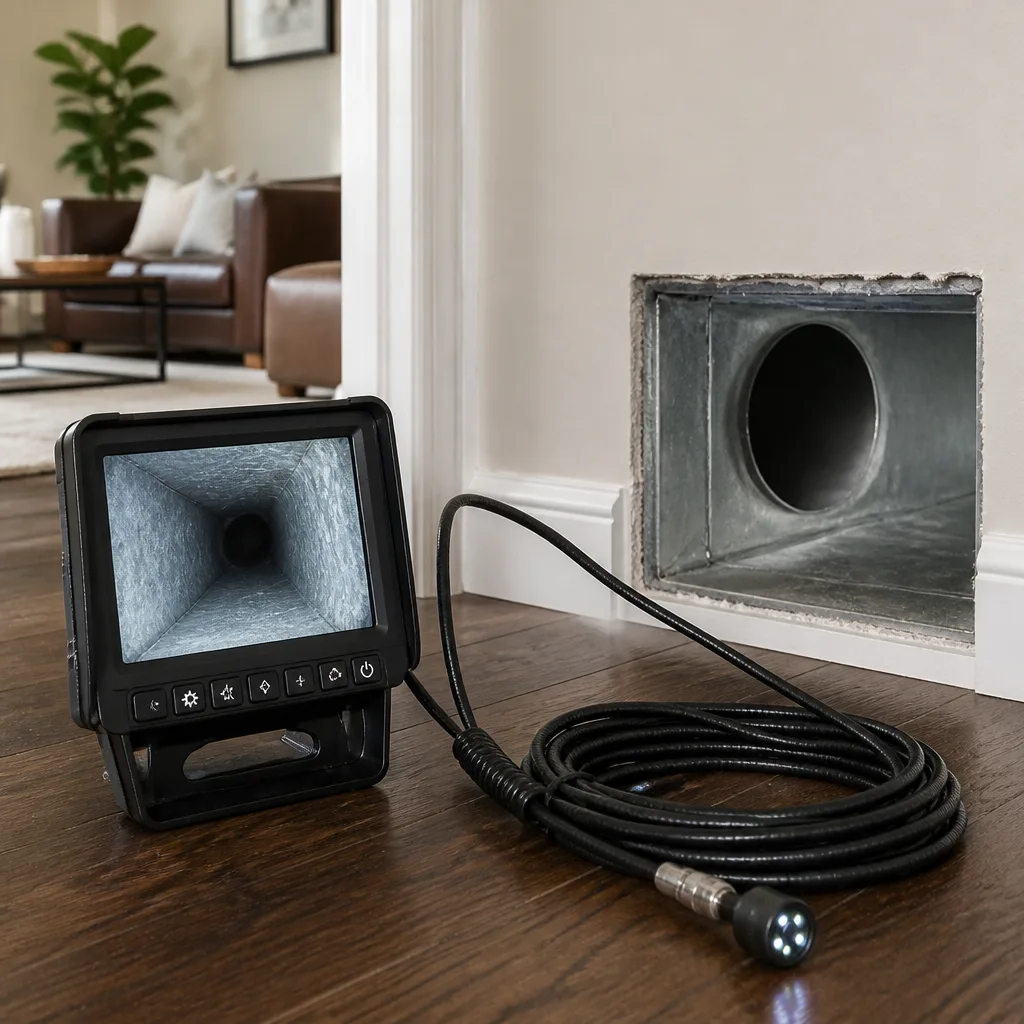 Camera inspection
 Sanitizing & deodorizing
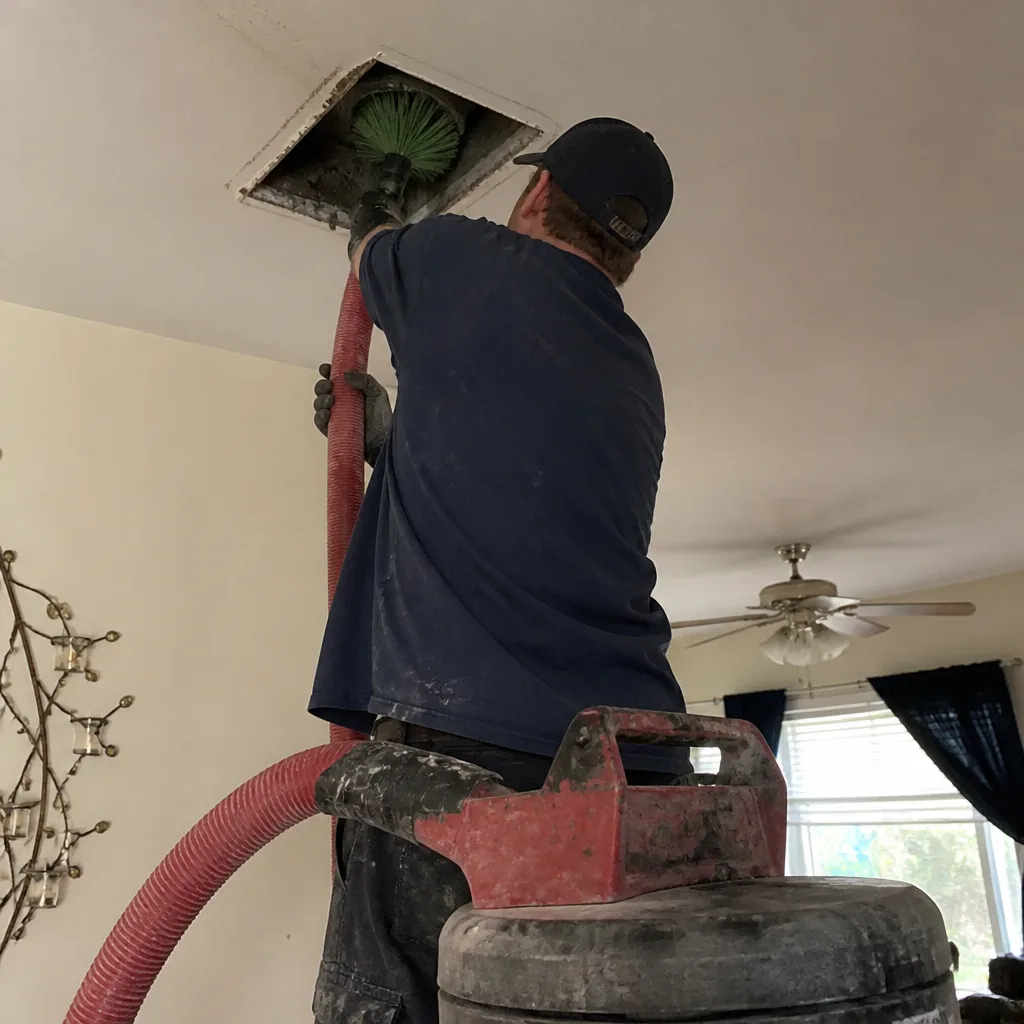
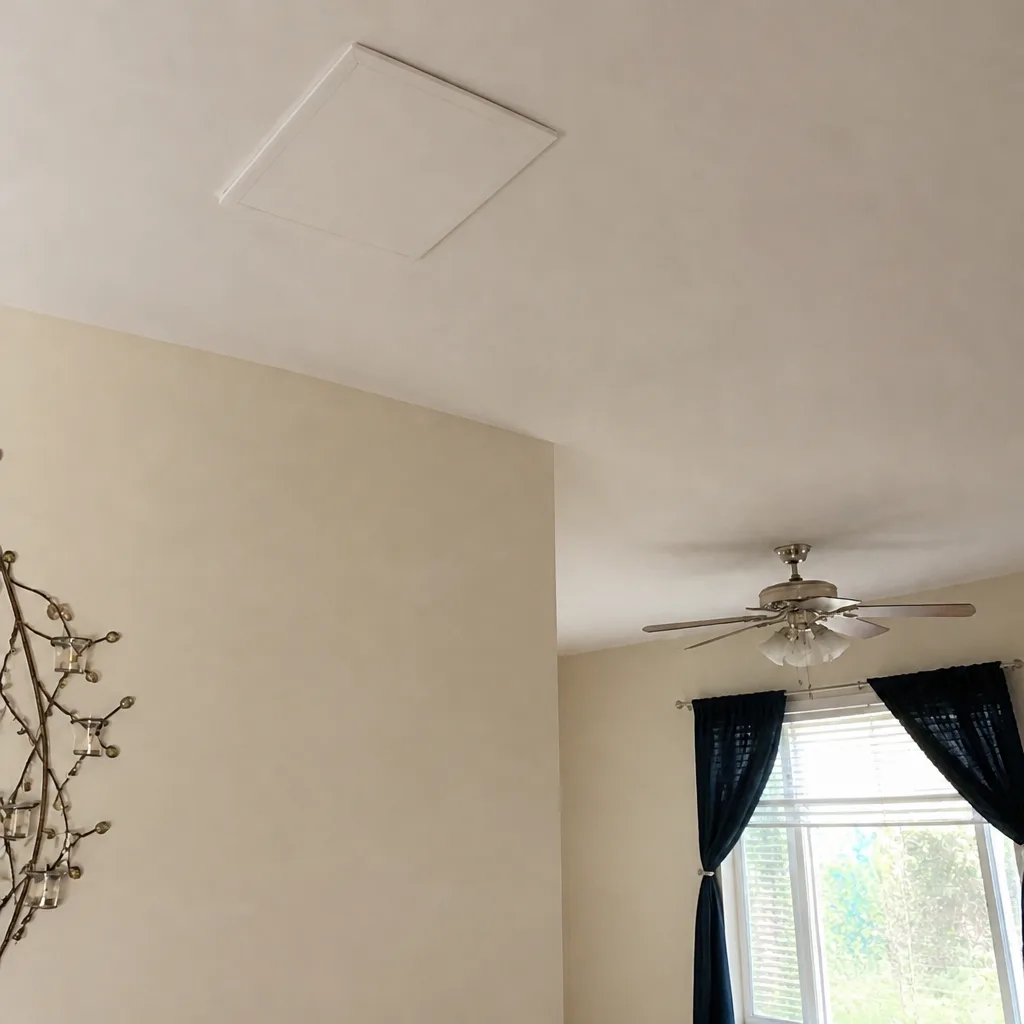
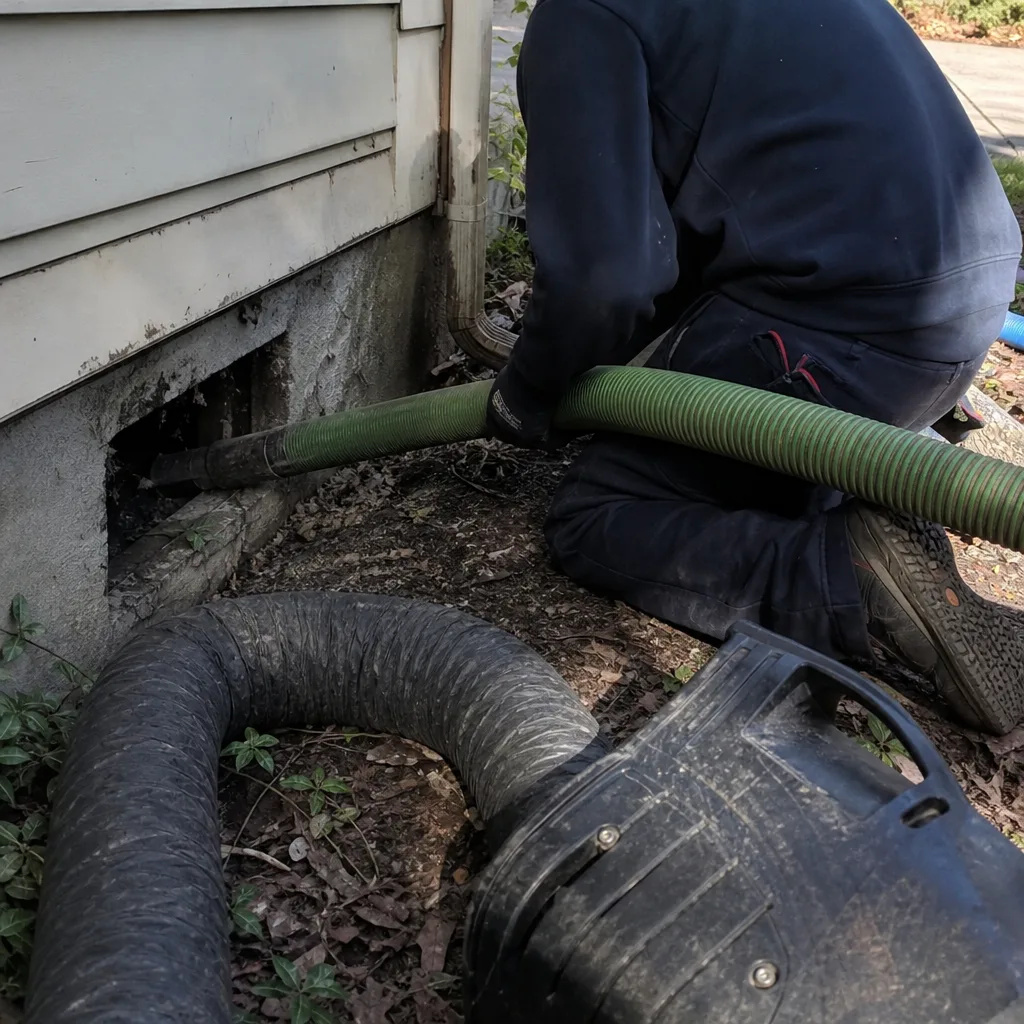
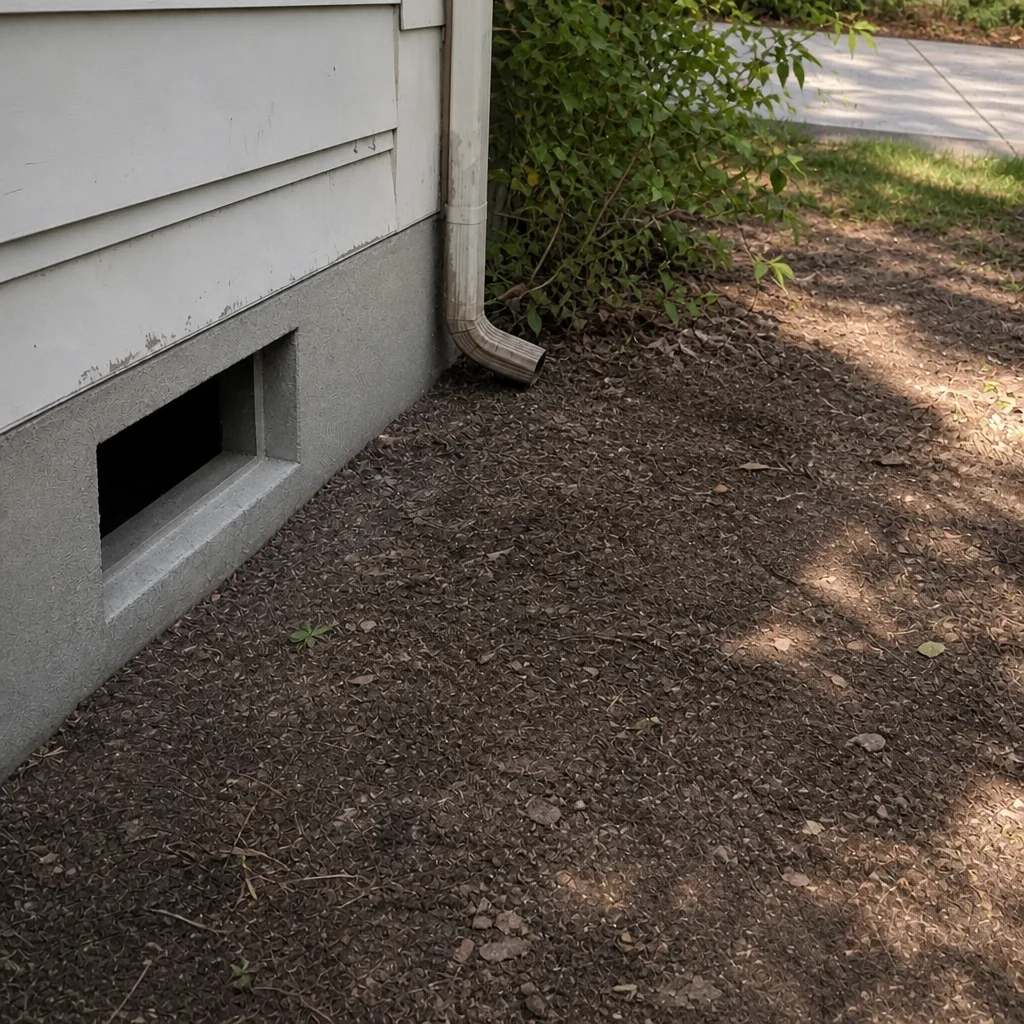
Whole-system duct and dryer vent check with before-and-after photos - you see exactly what came out of your vents
That "$99 whole-house special" is a bait ad - the real number appears once they are in your hallway, or the "clean" is a shop-vac at the register. We photograph the inside of your ducts before and after instead.
The Complete Guide to Air Duct Cleaning in Ballantyne
Most people picture duct cleaning as one job: a vacuum goes into the vents, dust comes out, the system is clean. That picture is wrong in a way that costs homeowners real money. A duct system is one connected air pathway, and the dirtiest part of it is usually the part nobody inspects. Clean the supply vents in a Ballantyne home and leave a fouled return plenum or a loaded evaporator coil behind, and the system pulls that contamination straight back through the ducts within weeks. This guide explains how the whole pathway actually works, what separates a real cleaning from a cosmetic one, and how to check the work before the technician packs up.
Quick Answer
Professional air duct cleaning in Ballantyne means source removal of debris from the entire forced-air system – supply ducts, return ducts, the air handler, and the coil – using negative air pressure and mechanical agitation, followed by sealing any leaks found. It is not a vacuum pass over the registers. A complete job takes several hours, is priced per system rather than per vent, and should include before-and-after documentation of your own ductwork.
Styles & brands we work with
- Whole-home duct cleaning
- Dryer vent cleaning
- Camera inspection
- Sanitizing & deodorizing
Table of Contents
- Why Your Duct System Is One Pathway, Not Five Separate Parts
- The Return Side: Why It’s Almost Always the Dirtier Half
- Source Removal vs. Blowout Cleaning: Only One Actually Works
- What Professional Equipment Does That a Shop Vacuum Can’t
- Newer Flex Duct vs. Older Rigid Metal: Two Different Jobs
- How to Verify the Cleaning Was Done Properly
- Finding Leaks and Damage: Why Cleaning and Sealing Belong Together
- How Often Ducts Really Need Cleaning in Ballantyne
Why Your Duct System Is One Pathway, Not Five Separate Parts
Air in a forced-air system moves in a loop. The blower pulls return air out of your rooms, pushes it across the evaporator coil to be cooled or the heat exchanger to be warmed, then drives it back out through the supply trunk and branch ducts. Every section of that loop touches the same air. Contamination anywhere on the loop becomes contamination everywhere on the loop, given enough run time.
This is why a piecemeal approach fails. A homeowner who has the supply registers cleaned has addressed perhaps a third of the pathway. The return grilles, the return plenum, the blower compartment, and the coil face all sit upstream of what was cleaned, and they keep feeding debris into a system that now looks clean at the vent cover. The air you breathe is only as clean as the dirtiest point it passes.
When we assess a Ballantyne home, we look at the whole pathway in sequence:
- Return grilles and return ducts – the intake side, which sees the most airborne load.
- The return plenum and filter slot – where bypass around a poorly fitted filter shows up as a dust stripe.
- The blower wheel and cabinet – which collect a felt-like mat of debris over time.
- The evaporator coil – the cold, wet surface where dust sticks and stays.
- The supply plenum, trunk, and branch runs – the delivery side, usually cleaner but not always.
- The registers and boots – the visible endpoints most people judge the whole job by.
Treating those six points as one system is what separates an air duct cleaning that holds for years from one that needs repeating within months. It’s also why we inspect the coil on every job: a freshly cleaned duct connected to a loaded coil recontaminates fast.
The Return Side: Why It’s Almost Always the Dirtier Half
The return side of your system carries air that has already picked up everything floating in your home – cooking aerosol, pet dander, lint from bedding and towels, drywall dust from any renovation. It travels through the return at low velocity and higher pressure, which is exactly the condition that lets particles settle out of the airstream and stick to surfaces. The supply side, by contrast, moves filtered air at higher velocity through a positively pressurized duct. It stays cleaner because the physics work in its favor.
In our experience across Ballantyne homes, the return plenum and the return drops behind the grilles carry far more debris than the supply runs. That matters for two reasons. First, if a contractor only cleans what’s visible through the supply registers, the dirtiest part of the system never gets touched. Second, return-side leaks pull attic or crawlspace air directly into the airstream, which is where a lot of musty odor complaints originate.
- Check the filter slot. A dust stripe around the filter edge means unfiltered air is bypassing into the return – a common source of system-wide contamination.
- Look at the return grille. Heavy lint buildup on the grille face usually means heavier buildup behind it.
- Smell the return air. A musty note at a return grille often points to a leak pulling in unconditioned air, not just dirty duct liner.
- Watch filter life. A filter that loads up far faster than expected usually signals return-side leakage or a renovation-dust problem.
Cleaning the return side properly means agitating the duct walls and pulling debris back toward a negative-pressure collection point – which is what the equipment discussion below is about.
Source Removal vs. Blowout Cleaning: Only One Actually Works
Source removal means physically dislodging debris from duct surfaces and capturing it in a sealed vacuum system so it leaves your home. Blowout cleaning means introducing compressed air or a spinning nozzle into the ducts and letting the debris travel out through the registers into your living space, where it settles on furniture, floors, and the coil. One reduces the particulate load in the system. The other just relocates it.
Blowout cleaning is cheaper because it requires less equipment, less time, and less containment. It also produces a dramatic plume of dust at the registers that some homeowners mistake for proof of work. It isn’t. Everything that comes out of a register during a blowout is contamination that will be pulled right back in on the next cycle.
Here’s how to tell the two apart before anyone starts work:
- Ask how debris is captured. A proper job connects a HEPA-filtered negative air machine to the system so the ductwork is under vacuum while it’s being agitated.
- Ask what happens at the registers. Registers should be removed and the openings sealed with foam or plastic during cleaning, not left open to vent into the room.
- Ask about containment. On jobs where fine debris or microbial growth is present, the work area should be isolated – Abatement Technologies makes containment and air filtration products built for exactly this.
- Ask to see the collection bin at the end. Source removal produces a substantial volume of captured material. A near-empty collection bin after a “full cleaning” is a red flag.
Source removal is the only method that actually lowers the particulate load in your ducts. Everything else is theater.
What Professional Equipment Does That a Shop Vacuum Can’t
A shop vacuum generates airflow and suction, but it can’t pressurize a duct system negative enough to hold dislodged debris in suspension while a brush works the walls. It also has no HEPA stage, so the fine fraction – the particles small enough to reach deep lung tissue – passes straight through the filter and back into the room. Consumer rotary brushes sold for home use have the same limitation: they agitate, but with no capture system, the agitation is a net negative.
Professional negative air machines do three things at once. They pull the duct system into negative pressure so dislodged debris travels toward the collection point instead of into your rooms. They run HEPA filtration on the exhaust so what comes out of the machine is cleaner than what went in. And they maintain enough static pressure to keep the entire trunk and branch network under control during agitation, not just the run being worked.
The agitation side matters just as much. We run Rotobrush rotary brush systems for duct interiors because they’re built to work flexible and rigid duct without tearing the liner, and Nikro equipment for high-volume extraction and detail work. Both are the same class of equipment used in commercial and restoration environments, where the standard is measurable contaminant removal rather than a visual once-over. We also work with Guardsman and Honeywell components when a system needs filtration upgrades afterward.
Equipment is the single biggest reason quotes vary so widely. A contractor with a shop vac and a rotary brush attachment is doing a fundamentally different job than one running a HEPA negative air unit and a commercial rotary system, and the price difference reflects that.
Newer Flex Duct vs. Older Rigid Metal: Two Different Jobs
Ballantyne has a housing mix that spans both ends of duct construction, and they don’t clean the same way. Homes built since roughly 2000 typically use flex duct – a corrugated plastic inner liner inside an insulated sleeve. Older homes in the area often use rigid galvanized metal duct joined with mastic and tape. Each has failure modes and cleaning requirements that don’t transfer.
Flex duct has a ribbed interior that traps debris in the corrugations. It’s also more fragile than it looks: the inner liner tears easily, and a torn liner becomes a permanent collection point for dust and a source of fiberglass particles. Cleaning flex duct requires lower brush speeds, softer agitation, and a technician who knows when the run needs replacing rather than cleaning. If a flex run is sagging, kinked, or has a torn liner, cleaning it is a waste of money – the run should be replaced.
Rigid metal duct is more durable but prone to joint failure. Mastic dries and cracks, tape adhesive fails, and the resulting gaps pull attic or crawlspace air into the system. A cleaning on rigid duct should always include an inspection of every accessible joint. Where we find leaks, we seal them – that’s what our duct repair and sealing service is for.
- Flex duct: check for sagging and kinks. A sagging run loses velocity and collects debris at the low point.
- Flex duct: check the liner. Torn or delaminated inner liner means replacement, not cleaning.
- Rigid metal: check every joint. Failing mastic and lifting tape are common and easy to miss.
- Both: check the boots. The connection between duct and register boot is a frequent leak point regardless of duct type.
Cleaning equipment and approach have to match construction. A single method applied to both is a sign the contractor isn’t paying attention to what’s actually in your home.
How to Verify the Cleaning Was Done Properly
You should be able to verify a duct cleaning before the technician leaves, using your own eyes and a flashlight. The verification happens at the registers, at the air handler, and in the documentation the crew provides. If any of those check out empty, ask questions before signing anything.
- Before-and-after photos. A professional job includes photos of the inside of your ducts – typically the return plenum, the trunk, and at least one branch run – taken before cleaning and after. Ask to see them on the technician’s screen or have them sent to you.
- Register openings. Look inside a supply boot and a return boot with a flashlight. The duct walls should be visibly clear of loose debris and dust matting.
- The air handler cabinet. The blower compartment and the coil face should be clean. If the cabinet is dust-coated, the job wasn’t complete.
- The collection bin. Ask to see what was pulled out. Source removal produces real volume.
- The filter. A new filter should be installed at the end, sized correctly to the slot with no bypass gaps.
- Airflow test. Hold a tissue at a supply register and at a return grille. Airflow should be steady and strong at both. If it’s weaker at a register than before cleaning, something was disturbed and not cleared.
Documentation matters because it’s the only durable record of what was actually done. If a contractor can’t show you your own ducts before and after, you have no way to know the work happened.
Finding Leaks and Damage: Why Cleaning and Sealing Belong Together
Cleaning without inspection leaves the reason your ducts got dirty in the first place untouched. Leaky returns draw in unfiltered attic or crawlspace air. Failed joints let conditioned air escape before it reaches the room. Torn flex liner sheds fibers into the airstream. Each of these recontaminates the system, and none of them is solved by cleaning alone.
This is why we treat duct repair and sealing as a core service rather than a referral. When we find a failed mastic joint, a disconnected flex run, or a boot that’s pulled away from the subfloor, we fix it on the same visit. “We find it, we fix it” isn’t a slogan – it’s the practical difference between a job that ends with a clean system and a job that ends with a clean system that’s about to get dirty again.
For homeowners with allergy symptoms or musty odors, sealing and cleaning together often produce a more noticeable result than either alone. Duct repair and sealing around the air handler and return plenum is particularly valuable, because that’s where unfiltered air most commonly enters. On jobs with visible microbial growth, our air quality and sanitizing service handles the treatment side after the mechanical work is done. The sequence matters: clean, seal, then sanitize.
How Often Ducts Really Need Cleaning in Ballantyne
Most Ballantyne homes don’t need duct cleaning on a calendar. They need it when something specific has happened to the system. The honest answer to “how often” is: when there’s evidence it’s needed, not on a fixed interval. That’s not what most marketing will tell you, but it’s what the condition of the ducts actually supports.
Reasons to schedule a cleaning in this area:
- You just moved in. You don’t know the prior occupants’ habits, pets, or renovation history.
- You finished a renovation. Drywall dust is fine, pervasive, and cycles through the whole system for months after the work ends.
- Someone in the home has persistent allergy or respiratory symptoms. A cleaning plus a coil inspection is a reasonable next step after other causes are ruled out.
- There’s a musty odor when the system runs. Often a sign of return-side leakage or microbial growth on the coil, not just dirty ducts.
- Airflow is inconsistent room to room. Could be debris, could be a crushed flex run, could be a damper problem – worth diagnosing rather than assuming.
- You’ve never had it done and the home is not new. A first cleaning to establish a baseline is reasonable.
- You see visible debris or matting through the registers. That’s a clear signal the system is loaded.
Ballantyne’s long cooling season means the system runs hard for much of the year, and a coil that stays wet for months accumulates biological growth faster than in a drier climate. That makes the coil inspection part of the cleaning – not an optional add-on – more relevant here than it might be elsewhere. If the ducts are cleaned but the coil isn’t inspected, you’ve addressed half the problem.
Common Mistakes to Avoid
- Judging a cleaning by the supply registers alone. The supply side is usually the cleaner half. If a contractor only shows you supply vents, they’re showing you the easy part and hiding the return side. Ask to see the return plenum and the air handler cabinet.
- Accepting a per-vent price. Per-vent pricing encourages speed over thoroughness. A whole-system job is priced per system because the work is on the system, not on each vent. Be wary of any quote that’s structured per register.
- Letting anyone blow out the ducts into your living space. Blowout cleaning redistributes contamination. Proper cleaning puts the system under negative pressure and captures debris before it reaches a register opening. If the crew doesn’t have a negative air machine, stop the job.
- Skipping the coil inspection. A cleaned duct connected to a loaded coil recontaminates fast. If a quote doesn’t include a coil inspection, the cleaning isn’t complete. This is the single most common oversight we see in Ballantyne homes.
- Cleaning flex duct that should be replaced. A torn, kinked, or delaminated flex run won’t stay clean. Cleaning it wastes money; the liner needs to be replaced. Ask specifically whether your flex runs are in cleanable condition.
- Leaving leaks unaddressed. A cleaning that doesn’t include sealing found leaks will get undone by the same infiltration that dirtied the system originally. Cleaning and repair belong on the same visit.
- Accepting a job with no before-and-after documentation. Photos of your own ducts, taken before and after, are the only verification that the work happened. Without them, you’re taking someone’s word for it.
See the difference
 Before
 After
 Before
 After
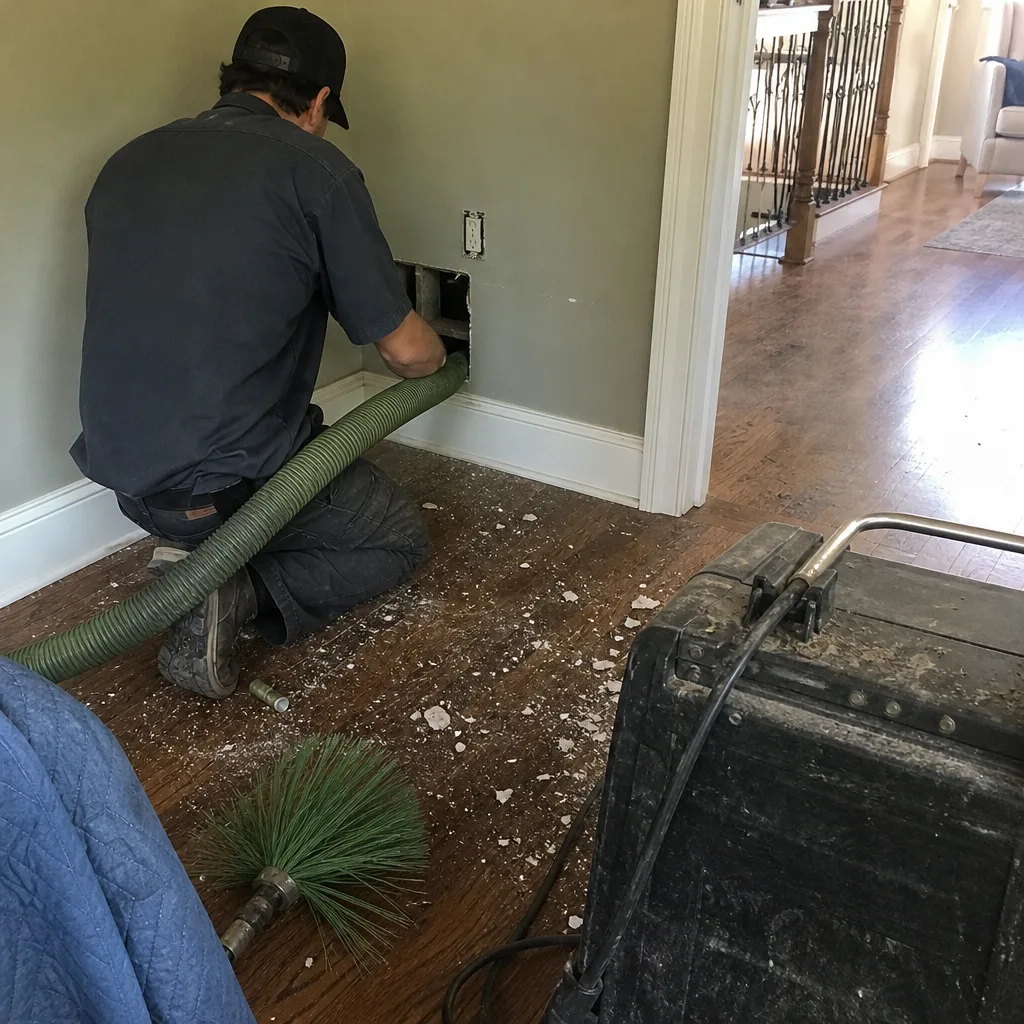 Before
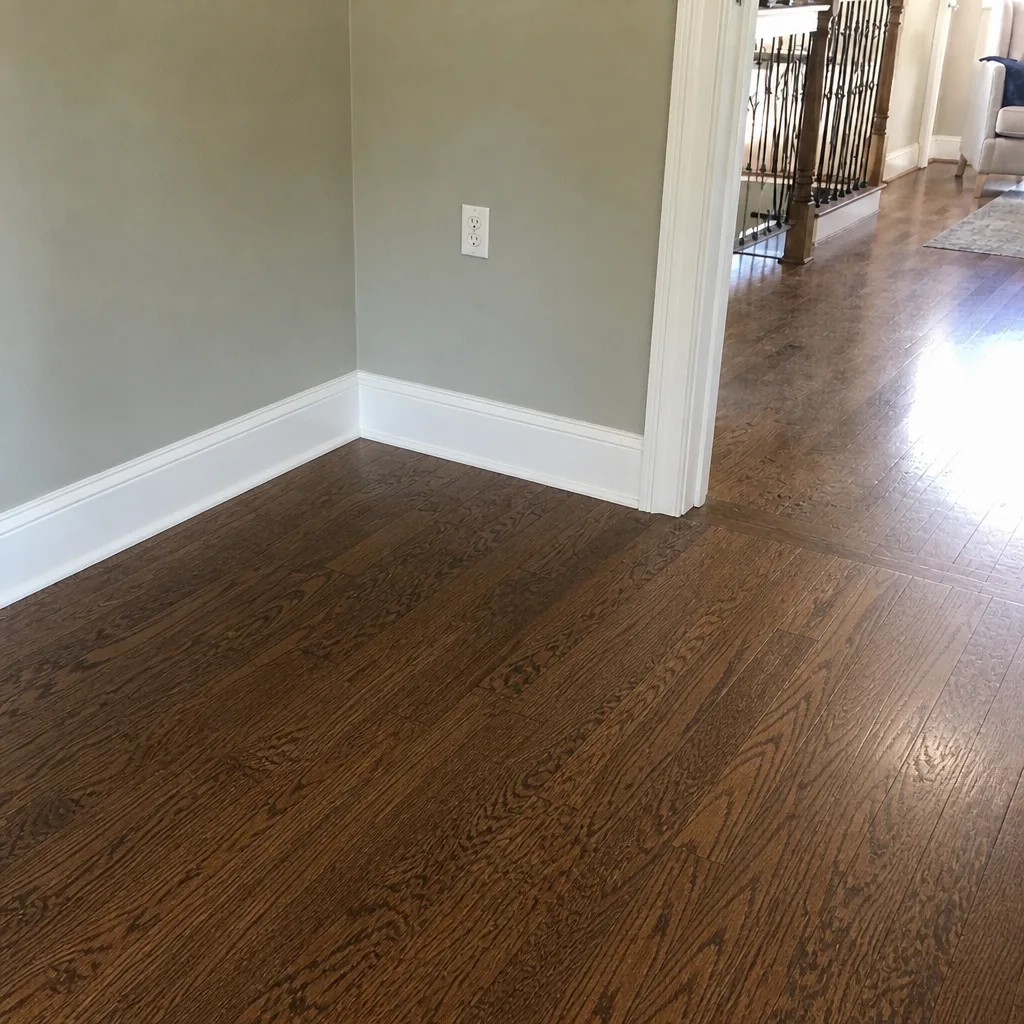 After
When to Call a Professional
Call a professional if you’ve just moved into a Ballantyne home and don’t know its duct history, if you’ve completed a renovation, if airflow is noticeably weaker or uneven than it used to be, if there’s a persistent musty or stale smell when the system runs, or if anyone in the house has ongoing respiratory or allergy symptoms that haven’t responded to other changes. Same list applies if you can see visible debris through the registers. What all of these have in common is that the cause isn’t obvious from the outside, and a proper diagnosis requires inspecting the whole pathway – return side, coil, and supply – rather than just the vent covers. Our technicians have up to 8 years of experience working on full-system cleaning with professional-grade equipment, and we’re glad to walk you through what we find before any work starts.
If you’re in Ballantyne and want a straight answer on what your system needs, Air Duct Cleaning Ballantyne offers free estimates – call (855) 726-7841. We answer 24/7. Fast dispatch from 7am to 7pm, Sunday through Friday, and we’re closed Saturday.
Frequently Asked Questions
Whole-system duct cleaning in the Ballantyne area typically runs in the mid-hundreds to low thousands of dollars for a residential home, depending on the size of the system, the number of runs, duct construction, and whether repair or sealing is needed. We price per system, not per vent, and we give a written estimate before any work starts – so the price you agree to is the price you pay. If you want a real number for your home, call (855) 726-7841. Estimates are free.
Cheap quotes are almost always cheap because the work behind them is cheaper – a shop vacuum and a brush attachment instead of a HEPA negative air machine, supply-side-only cleaning that skips the return side, and no coil inspection. Some cut-rate jobs are blowout cleanings that just move debris into your living space. The lower price isn’t a better deal; it’s a different service. Ask every bidder what equipment they use, whether the system goes under negative pressure, and whether before-and-after photos are included. If any answer is vague, that’s your answer. Call (855) 726-7841 for a full-system estimate you can compare against the others.
Before-and-after photos of your own ducts, plus a look inside the return plenum and the air handler cabinet while the technician is still on site. Ask to see the collection bin, check that a correctly sized filter was installed, and run a tissue test at a supply register and a return grille for steady airflow. All of that is standard on our jobs. Call (855) 726-7841 and ask about documentation before you book – any contractor worth hiring will be happy to explain.
For most Ballantyne homes, cleaning is event-driven rather than calendar-driven: after a move-in, after a renovation, when musty odors or airflow problems show up, or when visible debris appears at the registers. There’s no fixed interval that fits every home. Duct cleaning on a schedule nobody can justify is usually schedule-driven by the contractor rather than the condition of the ducts. A quick inspection can usually tell you whether cleaning is warranted. Call (855) 726-7841 for a free estimate.
No, and that’s the point of treating the pathway as one system. Cleaning the ducts alone leaves the coil, blower compartment, and any failed joints unaddressed, and any of those can recontaminate the ducts within weeks. A complete job includes the return side, the air handler, the coil, and sealing any leaks found. We offer that as one service because splitting it across contractors is what leaves jobs half-done. Call (855) 726-7841 to talk through what your system actually needs.
No – not effectively, and not safely in the case of a loaded system. A shop vacuum can’t put the duct under negative pressure, its filter lets fine particles pass through, and agitating debris without capture just redistributes it. Duct interiors, coil surfaces, and blower compartments require professional equipment and training. Our HVAC cleaning covers the air handler and coil along with the ducts, because those components need the same containment approach. If you’re weighing self-cleaning against hiring, call (855) 726-7841 first – a free estimate will tell you whether your system even needs the work.
The Bottom Line
Your duct system is one connected air pathway, and a cleaning that treats only part of it gets undone by the parts left behind. The return side is usually the dirtiest half. Source removal with negative pressure and HEPA filtration is the only method that actually lowers the particulate load. Coil inspection is not optional. Flex duct and rigid metal need different approaches, and Ballantyne homes have plenty of both. Cleaning and sealing belong on the same visit, and before-and-after photos are the only real verification. Get the whole pathway clean, sealed, and sanitized, and the results hold far longer than a vent-level pass ever will.
For dryer vent work specifically, our dryer vent cleaning is a dedicated service and not an afterthought. For the main service, start here: Air Duct Cleaning Ballantyne.
Call (855) 726-7841 for a free estimate. We answer 24/7. Fast dispatch from 7am to 7pm, Sunday through Friday. Closed Saturday.
Written by the team at Air Duct Cleaning Ballantyne.