
Last updated November 24, 2026
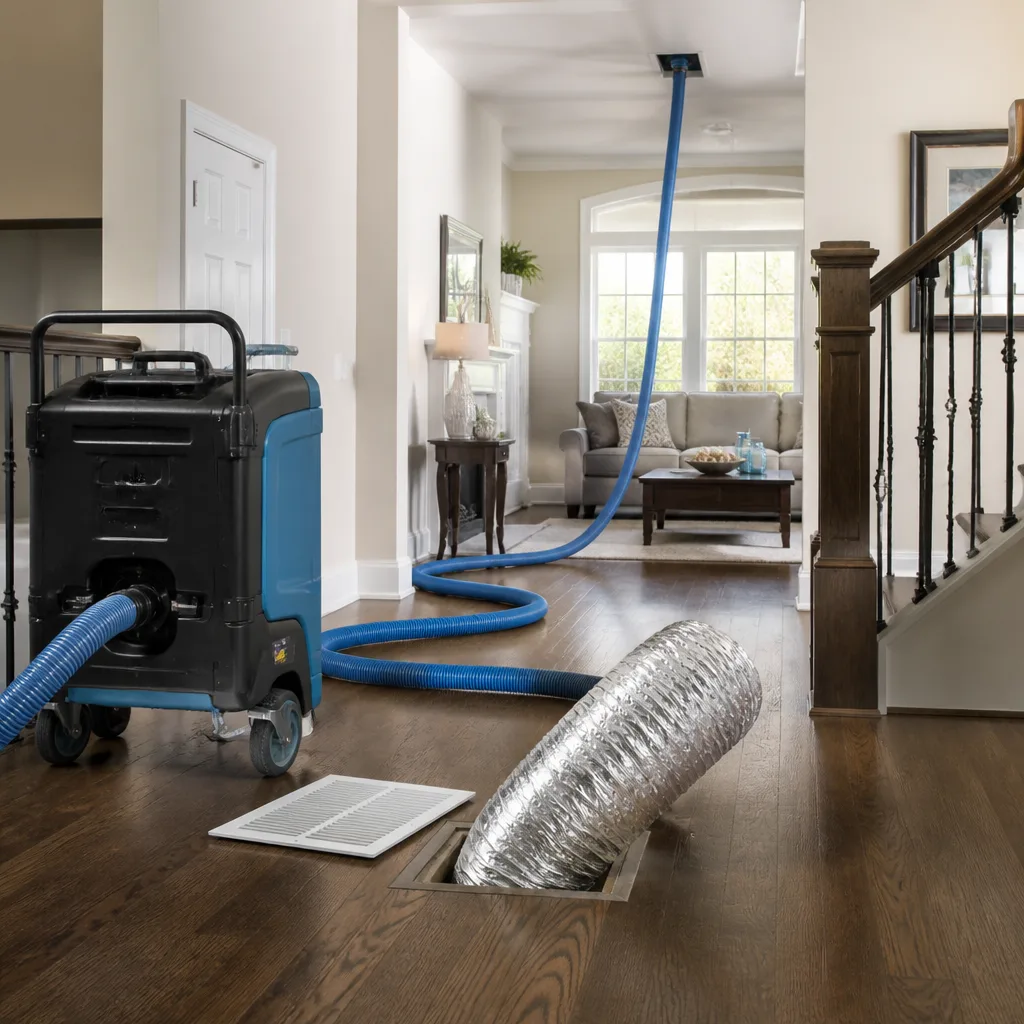 Whole-home duct cleaning
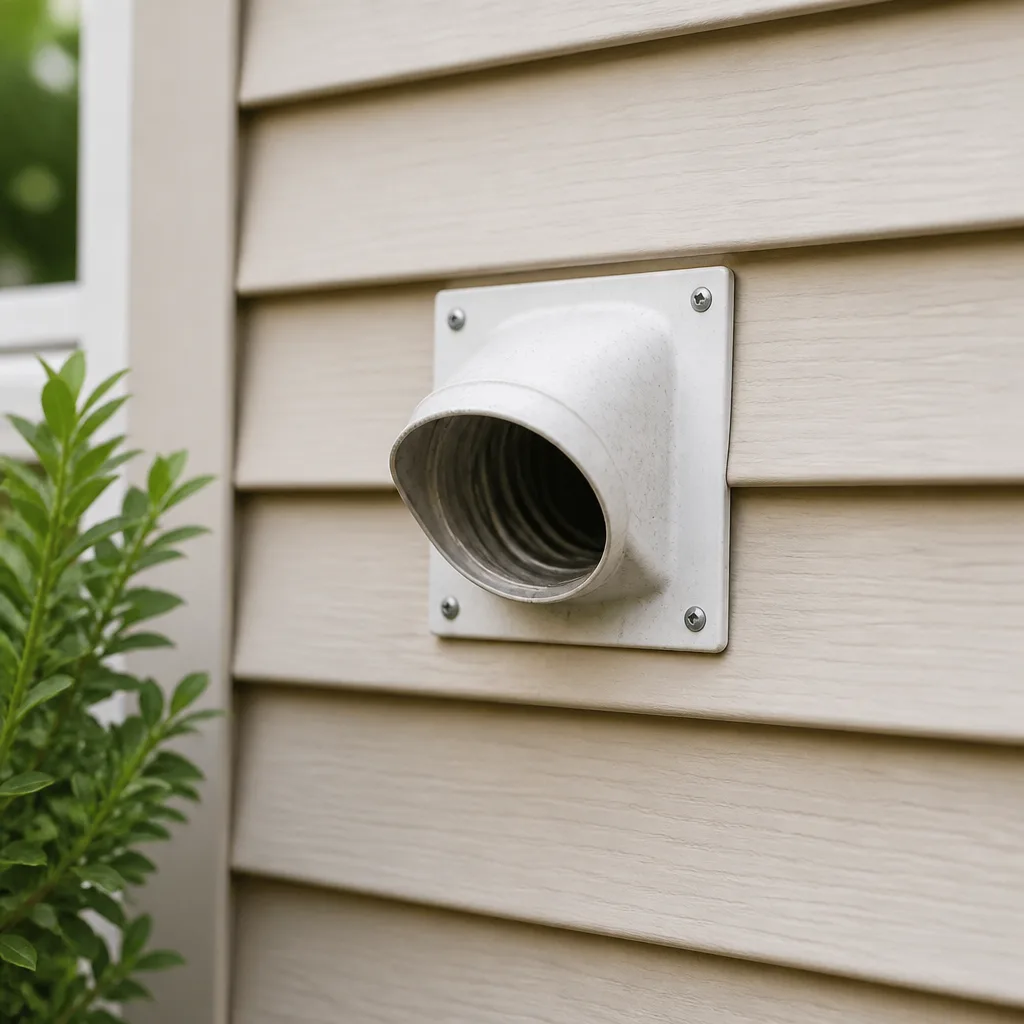 Dryer vent cleaning
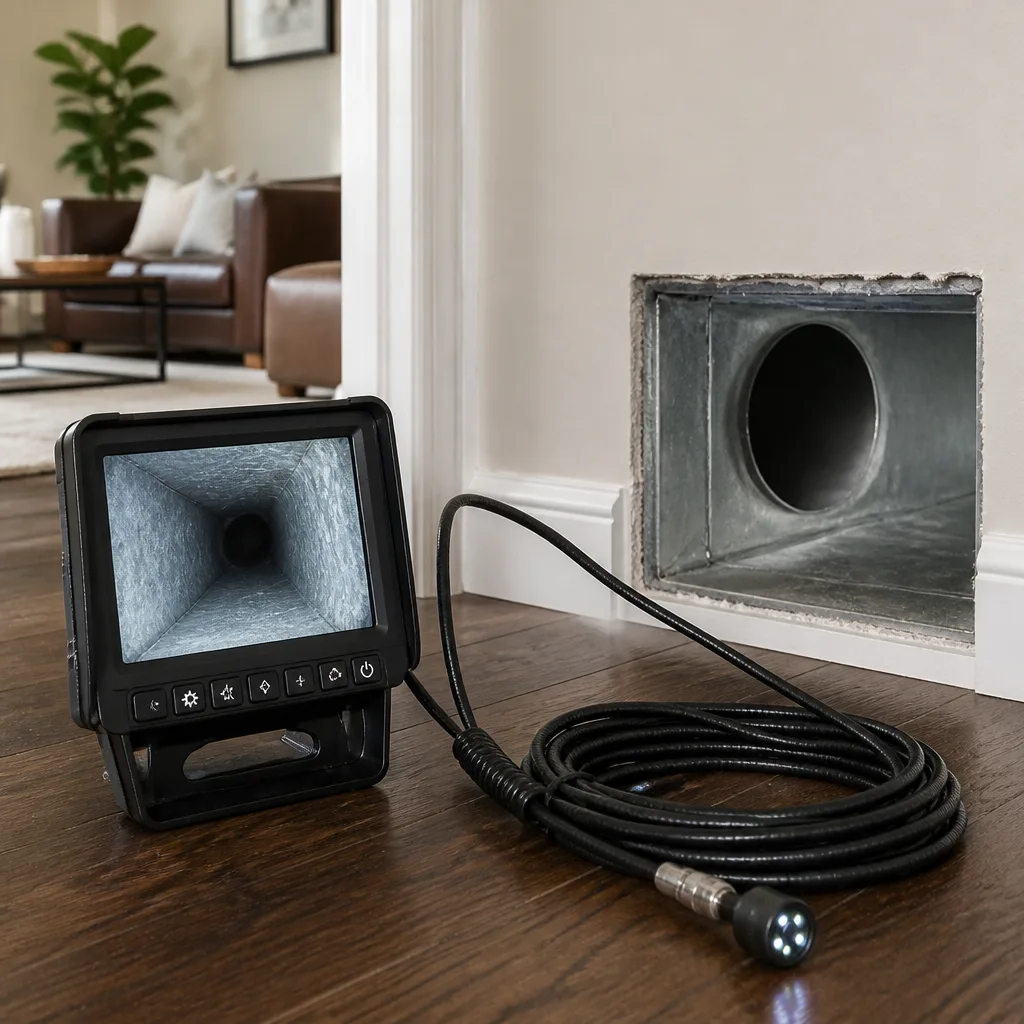 Camera inspection
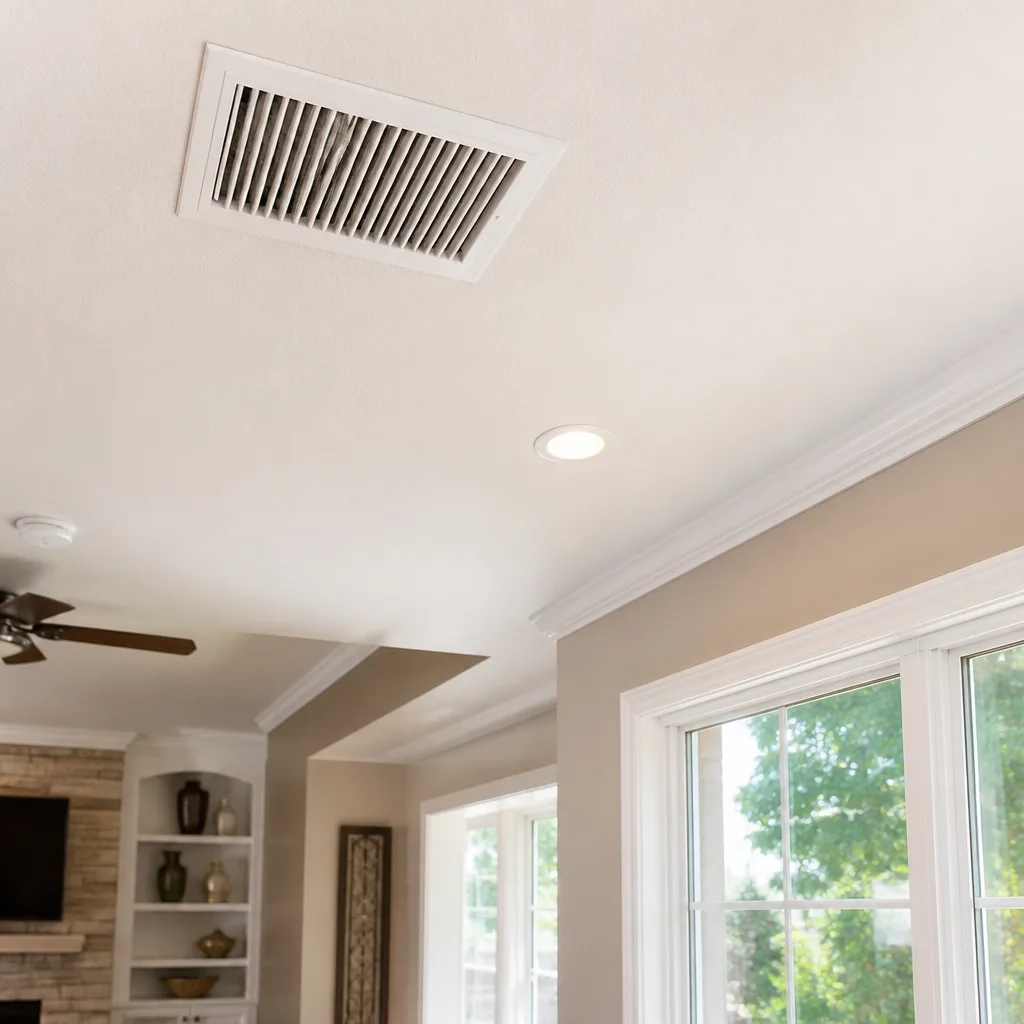 Sanitizing & deodorizing
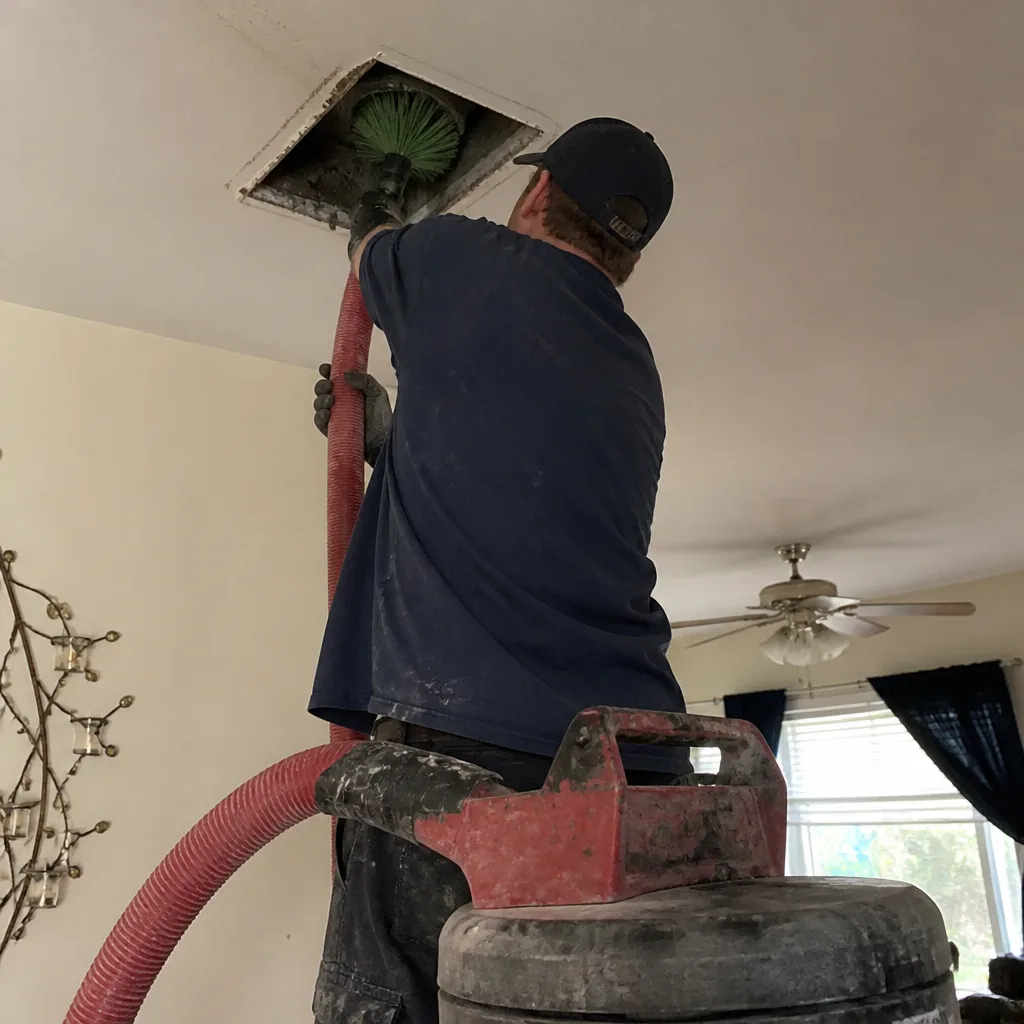
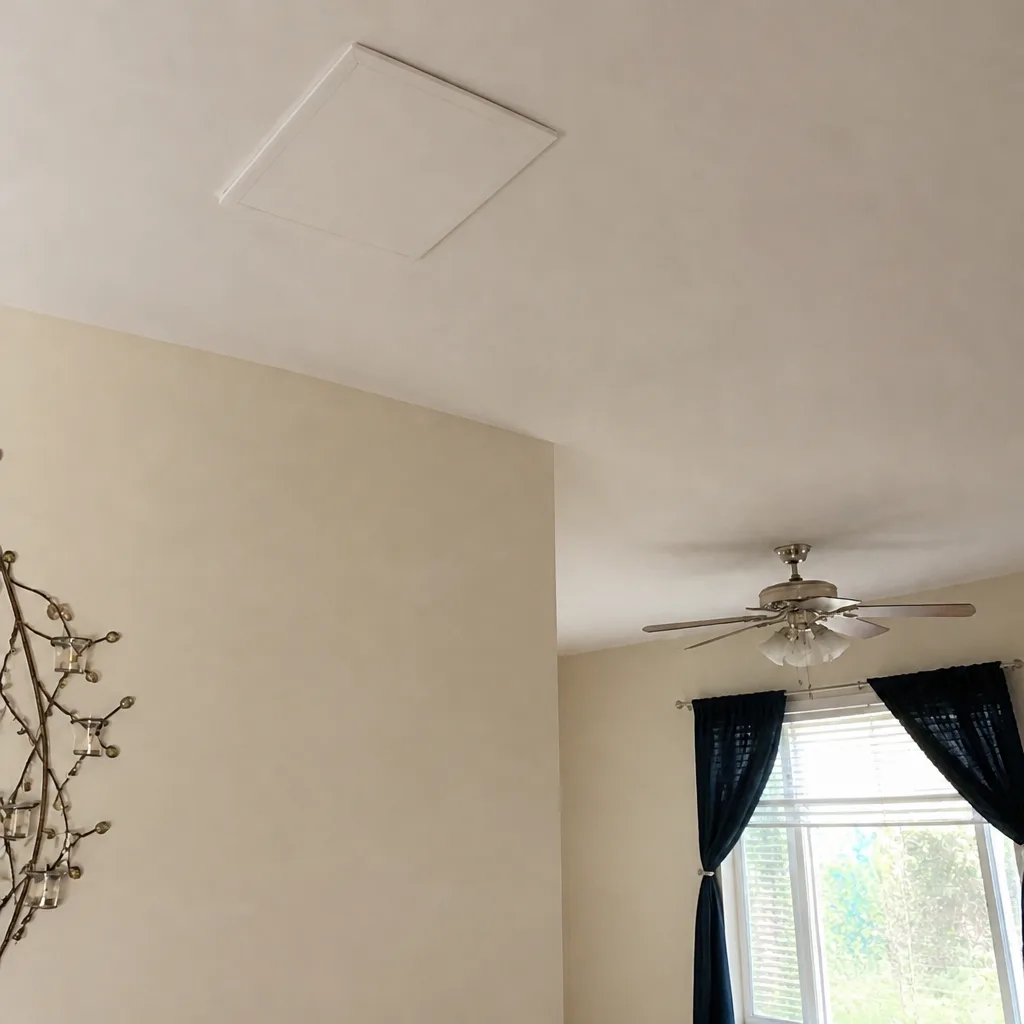
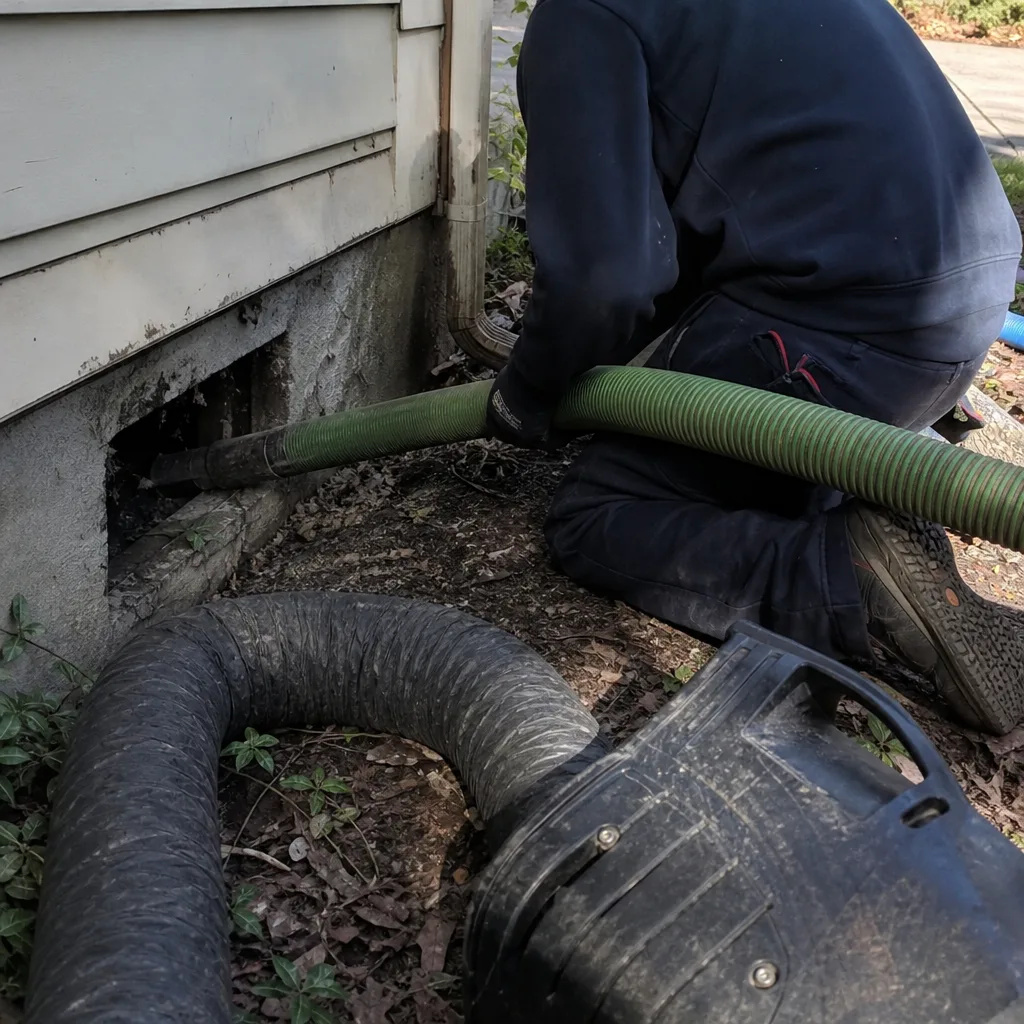
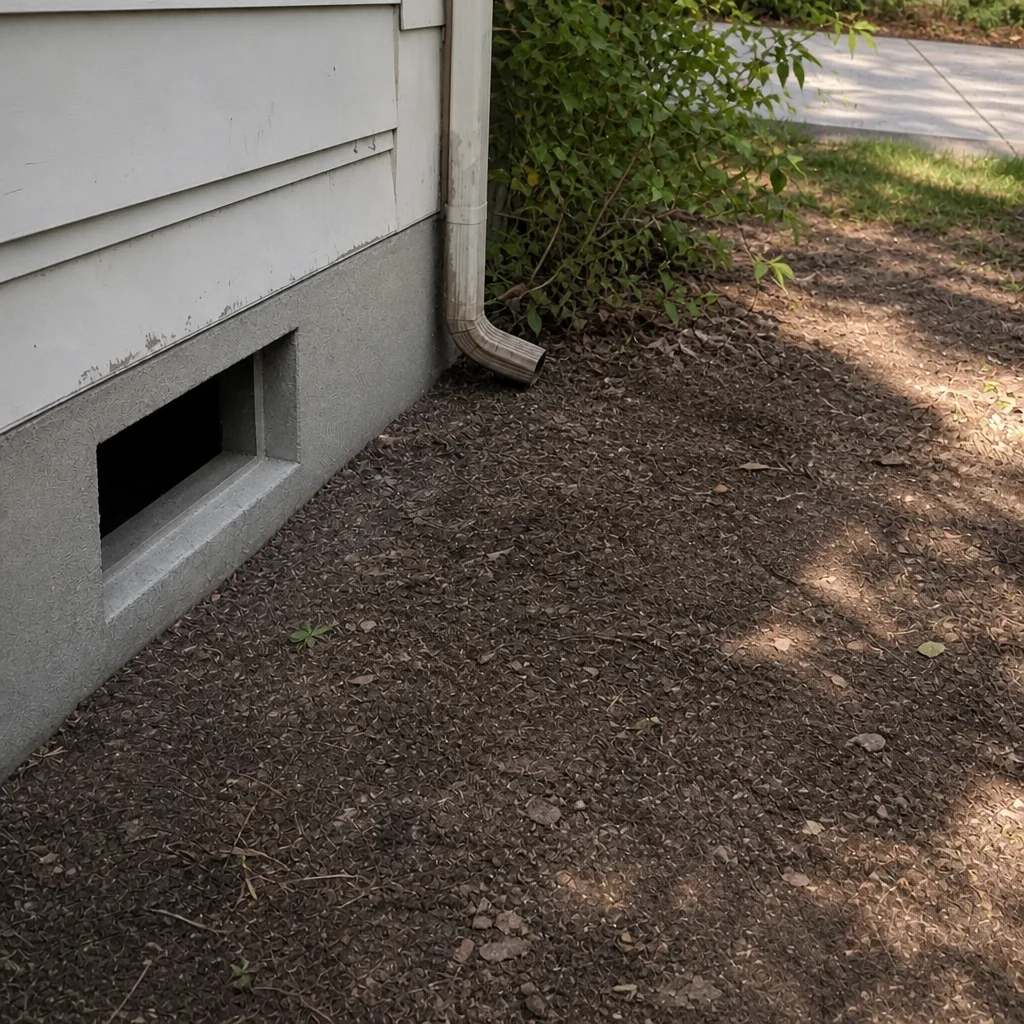
Whole-system duct and dryer vent check with before-and-after photos - you see exactly what came out of your vents
That "$99 whole-house special" is a bait ad - the real number appears once they are in your hallway, or the "clean" is a shop-vac at the register. We photograph the inside of your ducts before and after instead.
DIY vs Professional Air Duct Cleaning: The Ballantyne Homeowner’s Decision Guide
Most homeowners in Ballantyne who ask about DIY duct cleaning are asking the wrong question. They want to know whether they can save money by doing it themselves. The better question is whether a shop vacuum can physically do what source removal cleaning requires, and the answer is no. A standard shop vacuum generates roughly 50 CFM of airflow. A professional negative air machine generates 2,000 to 4,000 CFM, enough to create sustained negative pressure across an entire duct system while a technician mechanically agitates debris toward the collection point. These are not the same tool applied to the same task. This guide explains the physics behind that gap, what you can genuinely handle yourself, when DIY actually makes things worse, and how to verify that any cleaning, yours or a contractor’s, achieved real source removal.
Styles & brands we work with
- Whole-home duct cleaning
- Dryer vent cleaning
- Camera inspection
- Sanitizing & deodorizing
Quick Answer
DIY air duct cleaning cannot achieve source removal because consumer vacuums can’t generate enough negative pressure to overcome a duct system’s natural air leakage and extract settled debris. A shop vacuum will redistribute dust rather than remove it from the system. Professional cleaning with a rotary brush and negative air machine, like the Rotobrush and Nikro equipment we use, does extract debris. Homeowners can clean register grilles and filter cavities themselves, but visible mold, post-renovation dust, and flex duct systems need professional handling.
Table of Contents
- Why Duct Cleaning Is a Physics Problem, Not an Effort Problem
- What You Can Actually Do Yourself in Ballantyne
- When DIY Makes the Problem Worse
- The Real Cost Comparison for Ballantyne Homes
- How to Tell Whether a Cleaning Actually Worked
- What Professional Source Removal Looks Like Step by Step
- Common Mistakes to Avoid
- When to Call a Professional
- Frequently Asked Questions
- The Bottom Line
Why Duct Cleaning Is a Physics Problem, Not an Effort Problem
Every duct system leaks. That’s not a defect; it’s a design reality. Residential ductwork in Ballantyne homes is assembled from sections of flex duct, sheet metal, and fittings joined with tape, mastic, and mechanical fasteners. Even a well-sealed system loses a percentage of its air to unconditioned spaces like attics and crawlspaces. Spray foam and tight construction have reduced that loss in newer Ballantyne builds, but no home is airtight.
That leakage matters enormously for cleaning. To pull debris out of a duct, you have to create more negative pressure inside the duct than the surrounding space can push back through the leaks. If your extraction equipment can’t exceed the system’s leakage rate, the air you’re pulling mostly comes in through the gaps rather than through the debris field. The dust stays where it is, or worse, gets stirred into suspension and settles elsewhere in the system.
This is why CFM specs matter. A negative air machine connected to the main trunk pulls 2,000 to 4,000 cubic feet per minute while a technician works a rotary brush through each branch. The pressure differential is what moves settled debris toward the collection point. A shop vacuum rated at 50 to 150 CFM can’t create that differential, no matter how long you run it or how many times you go back over the same vent. You’re not cleaning the duct. You’re agitating it.
What Source Removal Actually Means
Source removal cleaning means extracting the accumulated debris from inside the duct system, not just knocking loose what’s near the register. It requires three things working together: mechanical agitation to break debris free from duct walls, sustained negative pressure to carry that debris to a collection point, and containment so the debris doesn’t escape into living space. Miss any one of the three and you’re doing something other than source removal.
Professional systems like Rotobrush use a rotary brush head that travels through each branch, physically contacting duct surfaces while the vacuum pulls. Nikro negative air machines handle the extraction side. Consumer rotary kits sold online typically include a small brush on a flexible shaft that attaches to a drill, but they lack the vacuum capacity to extract what the brush loosens. Our technicians have up to 8 years of experience running these systems through every duct configuration common in Ballantyne homes.
What You Can Actually Do Yourself in Ballantyne
There is a real list of things a Ballantyne homeowner can do without professional equipment, and doing them well will extend intervals between professional cleanings. These tasks deal with surfaces you can reach, not the interior of the duct system itself.
Register Grille Cleaning
- Remove the register cover by loosening the screws or releasing the tabs. Set the screws somewhere you won’t lose them.
- Wipe the grille on both sides with a damp microfiber cloth. The inside face collects the most dust because that’s where air exits the duct.
- For grilles with heavy buildup, rinse in a sink or tub with mild dish soap, then dry completely before reinstalling.
- Vacuum the exposed duct opening with a brush attachment, reaching in only as far as your hand comfortably goes. Don’t force a vacuum hose deeper than a few inches; you risk dislodging debris you can’t extract.
- Wipe the surrounding drywall or ceiling edge where dust settles around the register frame.
Return Air Filter Cavity Cleaning
The filter slot and the cavity behind it accumulate dust that bypasses the filter, especially if the filter has been run past replacement or seated loosely. With the system off, remove the filter and vacuum the cavity walls and floor with a crevice tool. Wipe down the slot edges so the next filter seats cleanly. This is a genuinely valuable DIY task because a dusty filter cavity contributes to the dust load the system cycles into your home.
Drain Pan Maintenance
The condensate drain pan under the air handler collects water and dust together, which can produce a musty smell that gets distributed through the whole system. With the unit off, wipe the pan with a cloth and check that the drain line runs clear. If you see standing water or visible growth, that’s a signal to call rather than scrub.
These three tasks are the honest DIY scope. Beyond them, you need equipment that exceeds consumer grade. When you’re ready for the full system, air duct cleaning from a technician with the right equipment handles what a vacuum can’t reach.
When DIY Makes the Problem Worse
Some cleaning scenarios don’t just fail to help when done with consumer equipment. They actively spread contamination. Ballantyne homeowners should recognize these three before reaching for a shop vacuum.
Post-Renovation Cleaning
Drywall dust from even a modest renovation is fine enough to pass through standard filters and settle deep inside ductwork. When that dust gets agitated without HEPA-grade extraction at the collection point, it becomes airborne and redistributes through the house. A shop vacuum’s exhaust, unless it’s a true HEPA unit, will blow that dust straight back into the room. Renovation dust also carries silica and gypsum particles that you don’t want suspended in living space. If your Ballantyne home has just been through a remodel, wait for professional cleaning with proper containment.
Suspected Mold
Agitating mold growth without containment spreads spores. This is the single most common way DIY duct cleaning backfires. If you see visible growth near a register, smell persistent mustiness from the vents, or notice spotting on the air handler insulation, don’t run a shop vacuum into the system. A professional evaluation can tell you what’s actually going on, and sanitizing after removal is a separate step from cleaning. Our Air Duct Cleaning Ballantyne approach treats air quality and sanitizing as its own service line because microbial control is a different task from debris removal.
Flex Duct Systems
Many Ballantyne homes use flex duct in at least part of the system, often running through the attic. Flex duct has a thin inner liner that tears easily. Consumer brush tools with rigid wire shafts can puncture that liner, which turns a cleaning attempt into a leak. A leaking flex run pulls attic air into your supply system, which is the opposite of what you want. Professional rotary brush systems are sized and operated to navigate flex duct without damaging the liner, and technicians know when to switch method. Duct repair and sealing capability matters here too: if we find damage, we can fix it rather than leaving you to find someone else.
The Real Cost Comparison for Ballantyne Homes
Here’s where the DIY calculation usually falls apart. A homeowner compares the price of a professional cleaning against the price of a consumer rotary duct cleaning kit, sees a wide gap, and decides the DIY route is obviously cheaper. That comparison only holds if both options produce the same result. They don’t.
What You’re Actually Comparing
- Professional whole-system cleaning: Priced per system by written estimate, includes mechanical agitation through every branch, negative air extraction, containment, and before-and-after documentation of the work.
- Consumer rotary kit: Typically a drill-mounted brush on a flexible shaft, no meaningful vacuum, no containment, no verification. It loosens debris without extracting it.
- Shop vacuum alone: 50 to 150 CFM, no rotary agitation, no containment of exhaust air. It picks up what’s near the register and redistributes what’s not.
If a professional cleaning extracts debris that consumer equipment can’t reach, then buying the cheaper tool doesn’t buy a cheaper version of the same job. It buys a different job that produces a cosmetic result. The dust you didn’t extract is still in the system, and you spent your Saturday getting it suspended.
The Ballantyne Math
A better way to think about it is cost per actual cleaning. If the professional cleaning is priced per system by written estimate and accomplishes source removal, and the DIY kit costs whatever it costs but accomplishes nothing that lasts, then the money spent on the kit didn’t save anything. It just delayed the real cleaning. Add in the risk of a punctured flex liner or a spread mold problem and the DIY kit can cost more than professional cleaning once repairs are factored in. For Ballantyne homes with multiple zones and long attic runs, the delta between consumer and professional results gets even wider because those long runs are exactly where debris accumulates and exactly where consumer equipment fails.
If you want to handle the register grilles, return filter cavity, and drain pan yourself, that’s real value and it’s included in the DIY scope above. It’s the duct interior where a professional makes the difference. When you’re ready for that, ask for a free estimate and a written per-system price before any work begins.
How to Tell Whether a Cleaning Actually Worked
Whether you hired someone or did it yourself, you deserve to know whether the cleaning achieved source removal or just moved dust around. There are two tests.
The Before-and-After Photography Protocol
- Before cleaning, photograph the inside of several ducts through the registers. Use a bright light and take a clear, steady shot of the duct floor and walls. Note which register each photo corresponds to.
- Also photograph the filter cavity and the air handler area if accessible.
- After cleaning, photograph the same locations from the same angle. Compare directly. If the duct surfaces look substantially cleaner, especially the duct floor and the corners where debris collects, source removal happened. If the difference is minor or the photos were never offered, that’s a signal.
- Ask for copies of the before-and-after photos if you hired a contractor. A professional team should be willing to document its own work without hesitation.
The 48-Hour Dust Reaccumulation Test
After cleaning, dust settles quickly if the source is still there. Wipe a clean surface near several registers, let the system run normally for two days, and wipe again. Some dust is normal; a fresh film of dust across that quickly across multiple rooms suggests debris is still being distributed. This test is imperfect but it’s the most practical homeowner check available. If dust returns heavily, something in the system is still releasing it. When that happens, HVAC cleaning of the air handler and coil assembly is often the actual fix rather than another pass at the ducts.
What Professional Source Removal Looks Like Step by Step
Knowing what a proper cleaning involves helps you evaluate any estimate, including ours. The sequence matters as much as the equipment. Our techs follow a consistent process that coats, cleans, and sanitizes through the whole forced-air system.
- Inspection and diagnosis: Before any cleaning, we inspect the system to see what kind of ductwork is present, where the major accumulation is, and whether there’s evidence of mold, damage, or leaks that need handling first.
- Containment setup: The collection point is sealed and negative pressure is established through the system using Nikro equipment. This prevents debris from escaping into living space while work is underway.
- Agitation through every branch: Rotary brush equipment, including Rotobrush systems, works through each supply and return branch, mechanically contacting duct walls to break debris free. The brush and vacuum work together; neither alone is enough.
- Main trunk and air handler cleaning: The larger components get the same treatment. The air handler and coil assembly are cleaned as part of the system rather than skipped.
- Repair and sealing where needed: If the inspection turned up leaks, damaged flex runs, or failed tape joints, we can address them rather than leaving them for a separate contractor. Duct repair and sealing is a core part of what we do, not a referral.
- Sanitizing: Where appropriate, air quality treatment with products like Guardsman, Honeywell, or Aprilaire addresses microbial control and allergen reduction after mechanical cleaning. Air quality and sanitizing is its own service line, not an add-on.
- Documentation: Before-and-after photos of your own ducts, so you can verify the work rather than take it on faith.
That full sequence is why a professional cleaning can’t be compared to a consumer rotary kit on price alone. One is a process. The other is a tool.
Common Mistakes to Avoid
- Using a shop vacuum as the main tool: A shop vacuum will pick up what’s near the register but can’t create the pressure differential needed for extraction. You’ll spend real effort for a cosmetic result and a falsely clean-looking vent.
- Running a consumer brush through flex duct: The inner liner of flex duct is thin, and rigid tool shafts puncture it easily. Many Ballantyne attics have long flex runs where a puncture turns a cleaning into a leak repair.
- Agitating suspected mold without containment: Unlike a professional setup with negative pressure and HEPA collection, a shop vacuum can spread spores through the house. If you suspect mold, stop and get an evaluation.
- Cleaning immediately after a renovation without accounting for drywall dust: Fine drywall dust settles deep in the system and requires HEPA-grade extraction. DIY agitation makes it worse, and your filters may pass it right through.
- Accepting an estimate with no per-system price and no before-and-after promise: A vague quote is where bait-and-switch pricing starts. Ask for a per-system written price and before-and-after photos of your own ducts before anyone starts work.
- Skipping the air handler and coil: Cleaning the ducts while leaving the coil and drain pan untouched leaves a major dust and moisture source in the system. A whole-system cleaning covers from the vent cover to the air handler.
- Assuming “duct cleaning” means just the ducts: The full forced-air system includes supply and return ducts, the air handler, connections, and the dryer vent. If a contractor only vacuums vents, ask what’s actually being cleaned.
When to Call a Professional
Some situations clearly call for professional equipment and expertise. Visible mold anywhere in the system, a recent renovation with drywall dust, a flex duct system where you’re not sure what a brush will do, or a persistent musty smell that doesn’t respond to filter changes. Persistent allergy symptoms after cleaning are another indicator, because any remaining debris is still being distributed. If you’ve tried the 48-hour dust test and dust keeps returning, that’s your signal that source removal hasn’t been achieved. Air Duct Cleaning Ballantyne offers free estimates in Ballantyne – call (855) 726-7841. We answer 24/7, with fast dispatch from 7am to 7pm, Sunday through Friday. The written estimate sets the final price before any work begins, and you get before-and-after photos of your own ducts so you can see the difference.
Frequently Asked Questions
Professional air duct cleaning in Ballantyne is priced per system by written estimate rather than per vent, so the number reflects the size and configuration of your system. Ask for a written per-system price before any work starts and don’t accept a quote that changes once the technician is on site. Call (855) 726-7841 for an exact quote; estimates are free.
No, a shop vacuum cannot clean air ducts in any meaningful way because it can’t generate the negative pressure needed to overcome duct leakage and extract settled debris. It will pick up dust near the register and redistribute the rest. Call (855) 726-7841 if you want to know what proper cleaning would involve for your system.
Most Ballantyne homes don’t need annual duct cleaning; intervals depend on the home, its ductwork, pets, recent renovations, and whether anyone in the household has allergy symptoms. The honest answer is that cleaning should be driven by evidence (visible debris, musty odors, recent renovation, ongoing dust) rather than a calendar schedule. Call (855) 726-7841 and we’ll tell you what your system actually needs.
Cheap quotes usually involve a single vacuum pass or per-vent pricing that sounds low but grows once the technician arrives, and they typically skip containment, agitation through each branch, and documentation. The price you were quoted isn’t the price you’ll pay. Ask for one flat per-system price in writing and before-and-after photos. Call (855) 726-7841 for a written estimate.
Ask for before-and-after photos of your own ducts taken from the same angle, and use the 48-hour dust reaccumulation test near several registers to check for ongoing dust distribution. A professional team should document its work without hesitation. If you’re not sure after a previous cleaning, call (855) 726-7841 and we’ll help you figure out what’s next.
Cleaning can reduce the dust and debris the system circulates, which matters for anyone sensitive to airborne irritants, but it won’t solve an allergy problem on its own. Sanitizing after mechanical cleaning addresses microbial control, and the full picture includes filtration and duct sealing. Call (855) 726-7841 for a free estimate on what your system needs.
The Bottom Line
The DIY vs professional duct cleaning decision in Ballantyne isn’t about effort or willingness. It’s about whether consumer equipment can physically do source removal, and the answer is that it can’t because it can’t generate enough negative pressure to extract settled debris through a leaking duct system. You can and should clean your register grilles, return filter cavity, and drain pan yourself. But post-renovation dust, suspected mold, and flex duct systems need professional handling, and the money spent on consumer kits doesn’t buy a cheaper cleaning, it buys a cosmetic result that leaves the debris in place. Verify any cleaning, yours or a contractor’s, with before-and-after photos and the 48-hour dust test. For everything from the ducts to the dryer vent cleaning side of the system, we’re here to help.
Ready to see what’s actually in your ductwork? Call (855) 726-7841 for a free estimate from Air Duct Cleaning Ballantyne. We answer 24/7. Fast dispatch from 7am to 7pm, Sunday through Friday. One flat price per system agreed before work starts, before-and-after photos of your own ducts, and a satisfaction guarantee on the work.
Written by the team at Air Duct Cleaning Ballantyne.
See the difference
 Before
 After
 Before
 After
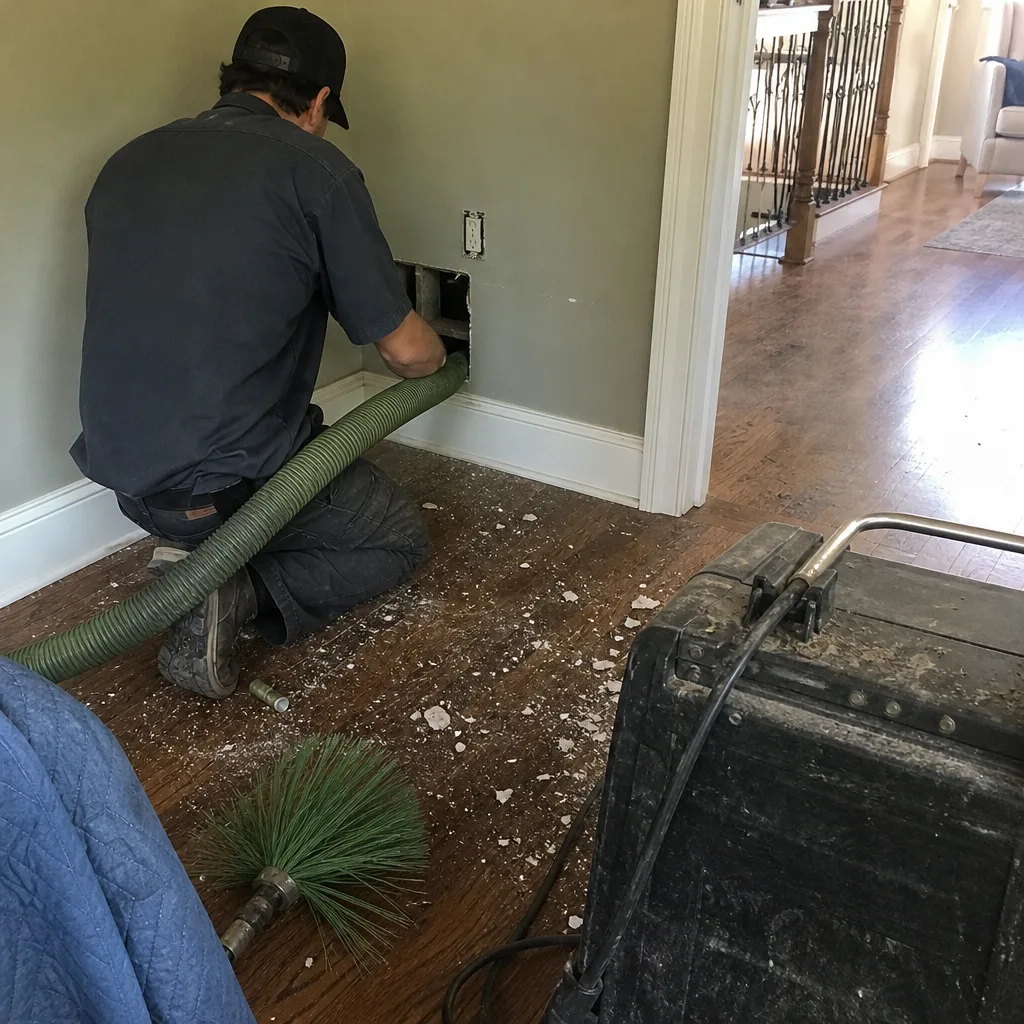 Before
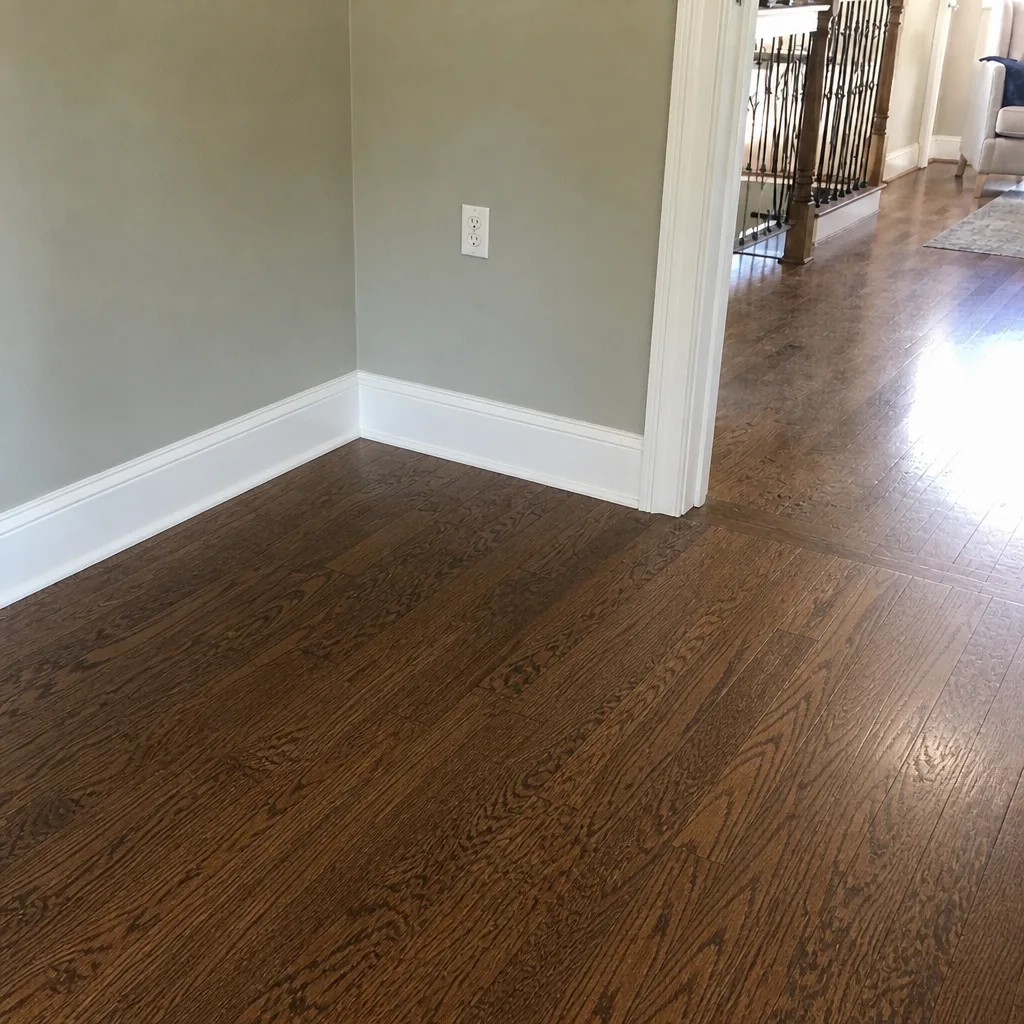 After